
Four Reasons to ‘Up Your Organics’
Whether the motivation is the health of yourself and your family, or the wellbeing of the environment; choosing organic has far-reaching benefits for all.
Higher Concentrations of Nutrients: Organic produce is consistently found to have higher levels of vitamin C, iron, magnesium and phosphorus as well as greater concentrations of antioxidants such as anthocyanins, flavonoids and carotenoids1.
Higher Animal Welfare: Animals reared organically have some of the highest standards of welfare, so buying organic supports a cruelty-free approach to animal farming. Intensive farming practices are surprisingly widespread and terms such as ‘higher welfare’ and ‘barn raised’ are misleading. With regards to chickens, Red tractor and even RSPCA Assured allow 19 or 15 birds respectively, per square metre of space – far from the image of happy, healthy chickens we’d like to envision when we buy these products. Crowded environments mean more stress and disease for the animal, which results in frequent use of antibiotics.
Minimising Pesticide Exposure: Currently, it may be impossible to avoid all exposure to environmental toxins but we can limit it to a manageable amount. Pesticide exposure has been linked to cancers, neurological diseases, hormone and reproductive disruptions and respiratory disease2. There is some regulation of what ends up on our supermarket shelves with ‘legal residue limits’ in place. However, pesticides leach into waterways and our drinking water, they also concentrate in the animals and plants we consume. These are not accounted for, nor are the interactions between different pesticides taken at low doses over time. Minimise your exposure by filtering your water and choosing organic where possible, particularly for the most contaminated foods.

Soil Regeneration: Many pesticides don’t just kill the pest they target; they significantly impact beneficial microorganisms in the soil, reducing soil fertility3. This is a little like the effect of repeated use of antibiotics on our microbiome – the more pesticides are used, the weaker the network of soil allies becomes, resulting in the need for more pesticides to support crops that have an inherently depleted soil at their base.
The Most Contaminated Produce List
Pesticide Action Network UK (PAN UK) produces a list of the ‘dirty dozen’ for the UK – fruits and vegetables which have a cocktail of chemical residues when tested. Government testing schemes don’t make it easy to keep track of the data as they test a different selection of produce each year; for example, last year strawberries may have been top of the list for contamination but this year they may not be tested at all. PAN UK compiles a list of the worst culprits over a 6 year period to give a more balanced view.
Fruits, herbs and prepacked salads are consistently the most contaminated produce including:

• Strawberries (some were also found to contain traces of PFAS – ‘forever chemicals’)
• Grapes and cherries
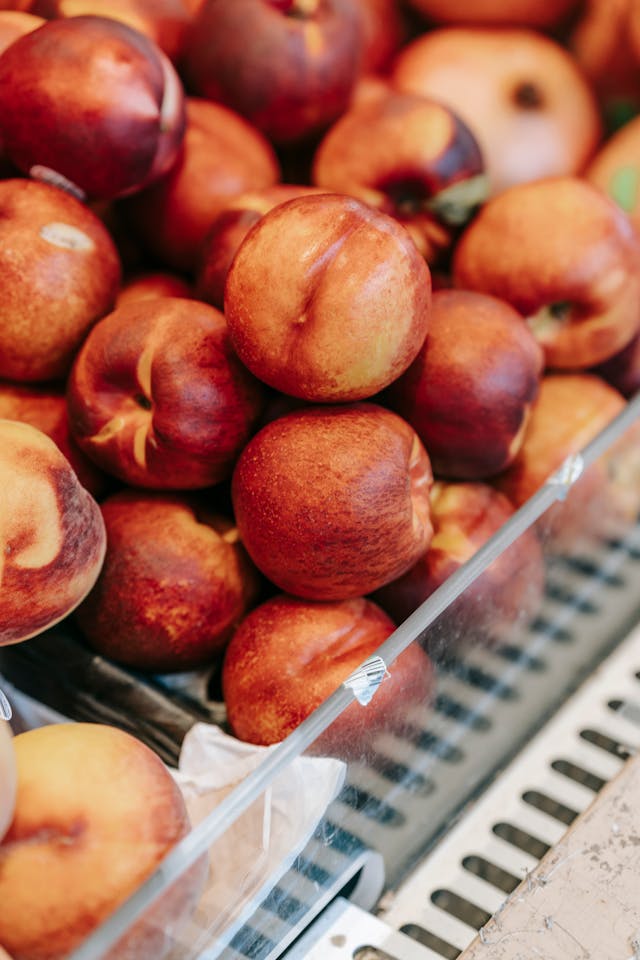
• Peaches and nectarines
• Pears and citrus fruits
Imported foods tend to be more problematic as they contain a greater number of chemical residues and are more likely to be above the UK safety limit by as much as two and a half times.
Organic box delivery schemes are an easy, low packaging way to access quality organic produce. Costs can be kept lower by ordering a seasonal box of vegetables. Organic certification can be expensive for the producer, so if you know a trusted local producer who farms without pesticides, or has high animal welfare standards that’s great too.
Riverford: https://www.riverford.co.uk/
Watson and Pratts: https://www.watsonandpratts.co.uk/
- Lower incidence of pesticide residues in organically grown crops
- A systematic review of pesticide exposure, associated risks, and long-term human health impacts
- Environmental and human health impacts of chemical pesticide usage
The ‘Herbal Clinic’ in Swansea provides natural medicine healthcare with the use of organic herbs, acupuncture and iridology.

This Post Has 0 Comments