The Many Uses of St John’s Wort
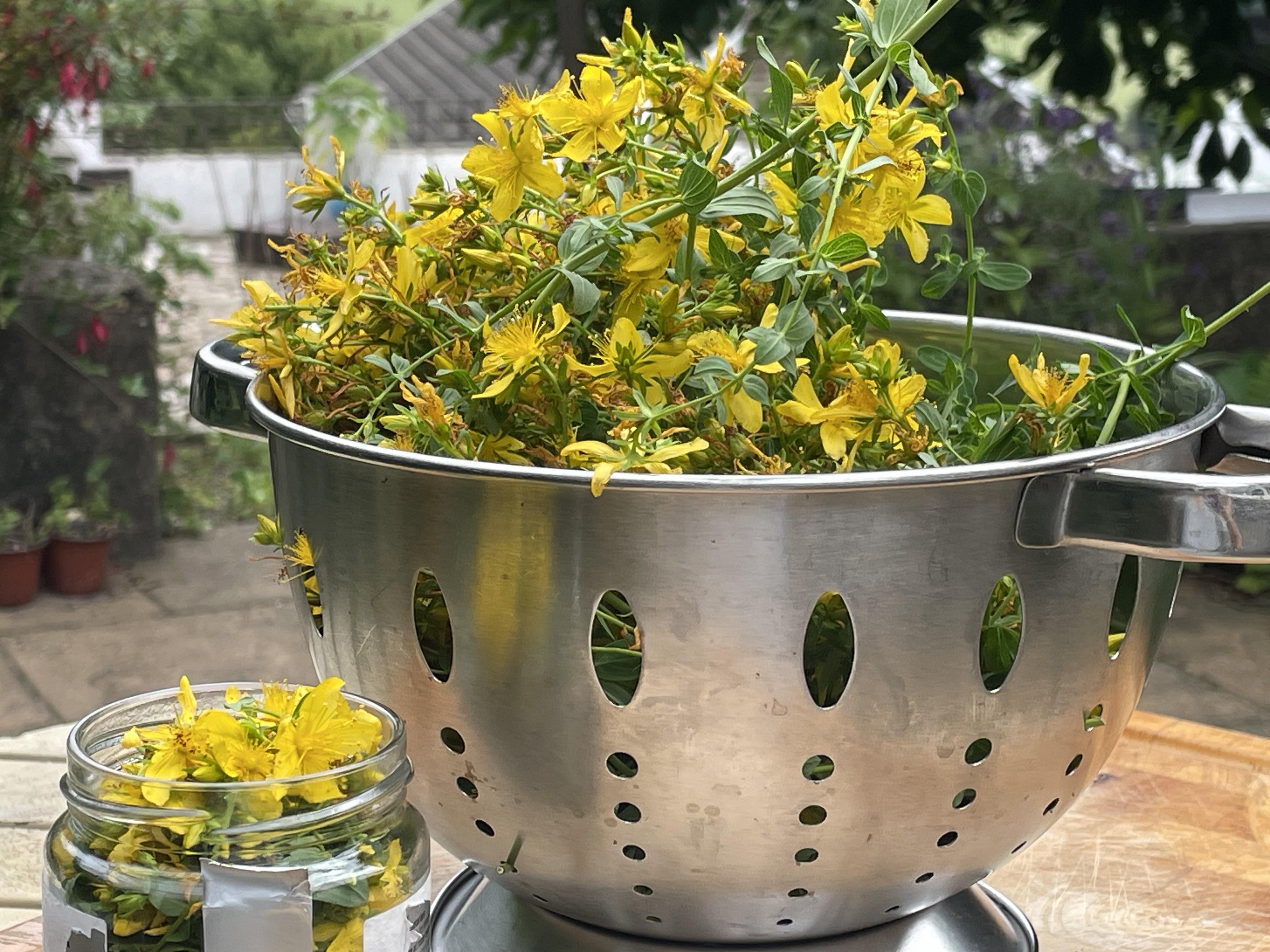
St John’s Wort (Hypericum perforatum) blooms in the peak of summer and its flowers are a starburst of bright yellow. This native wild flower seems to capture the sunshine and it is best known for its effect on depression. However, throughout history its uses have been varied having one of the longest records of use of any European medicinal herb. St John’s Wort is valued for its effects on healing wounds, burns and injuries involving the nerves; also its effect as a mild bitter tonic which supports liver function and bile flow.
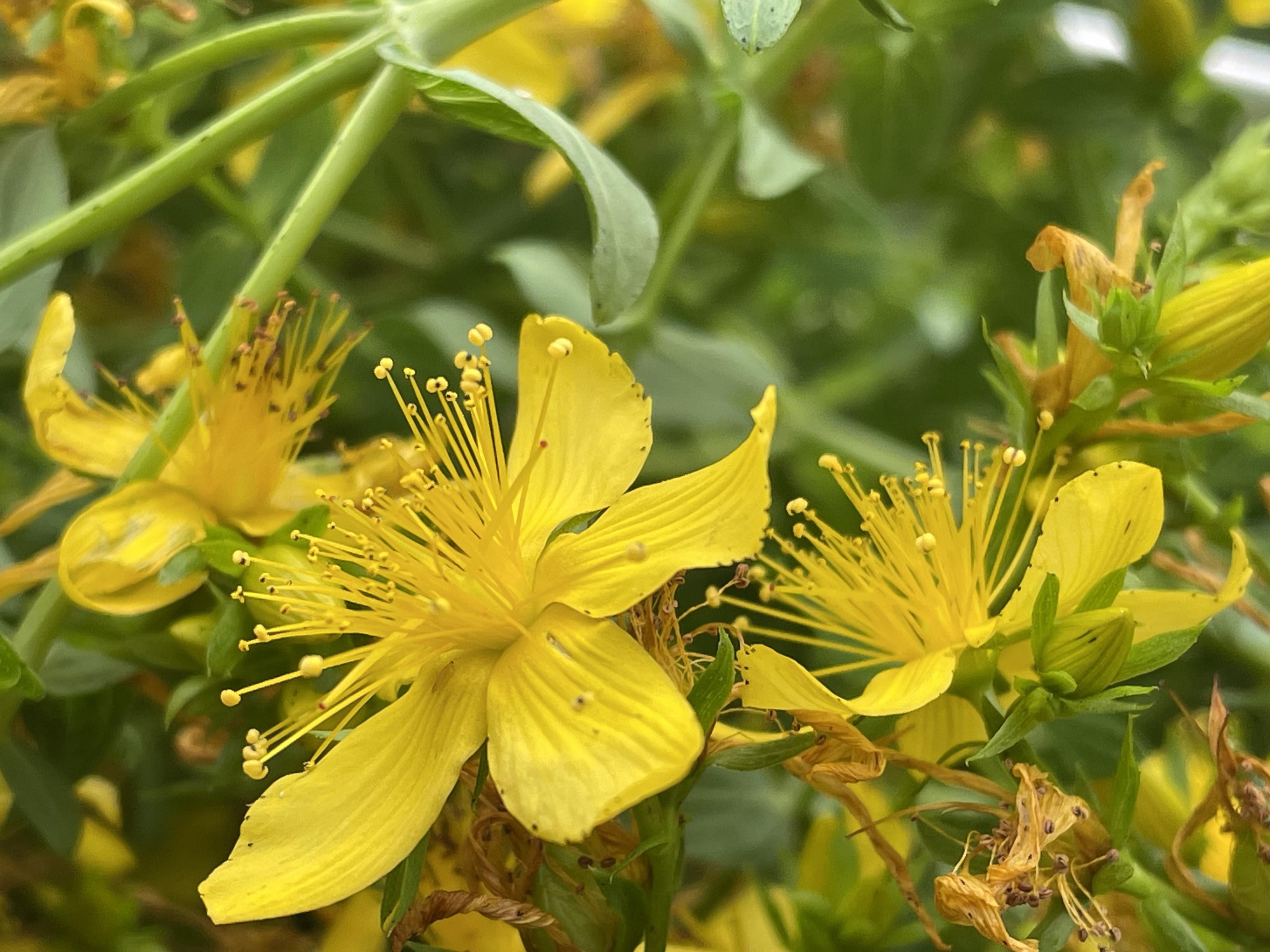 During menopausal transition St John’s Wort can be a great aid, helping with low mood, anxiety, irritability and nervous tension. Several randomised controlled trials have supported this use; one found that 80% of menopausal women taking St John’s Wort no longer had depression, compared with only 5.7% who took a placebo. Frequency and intensity of hot flushes were also decreased.
 You can find out more about this herb in our article here: Hypericum perforatum
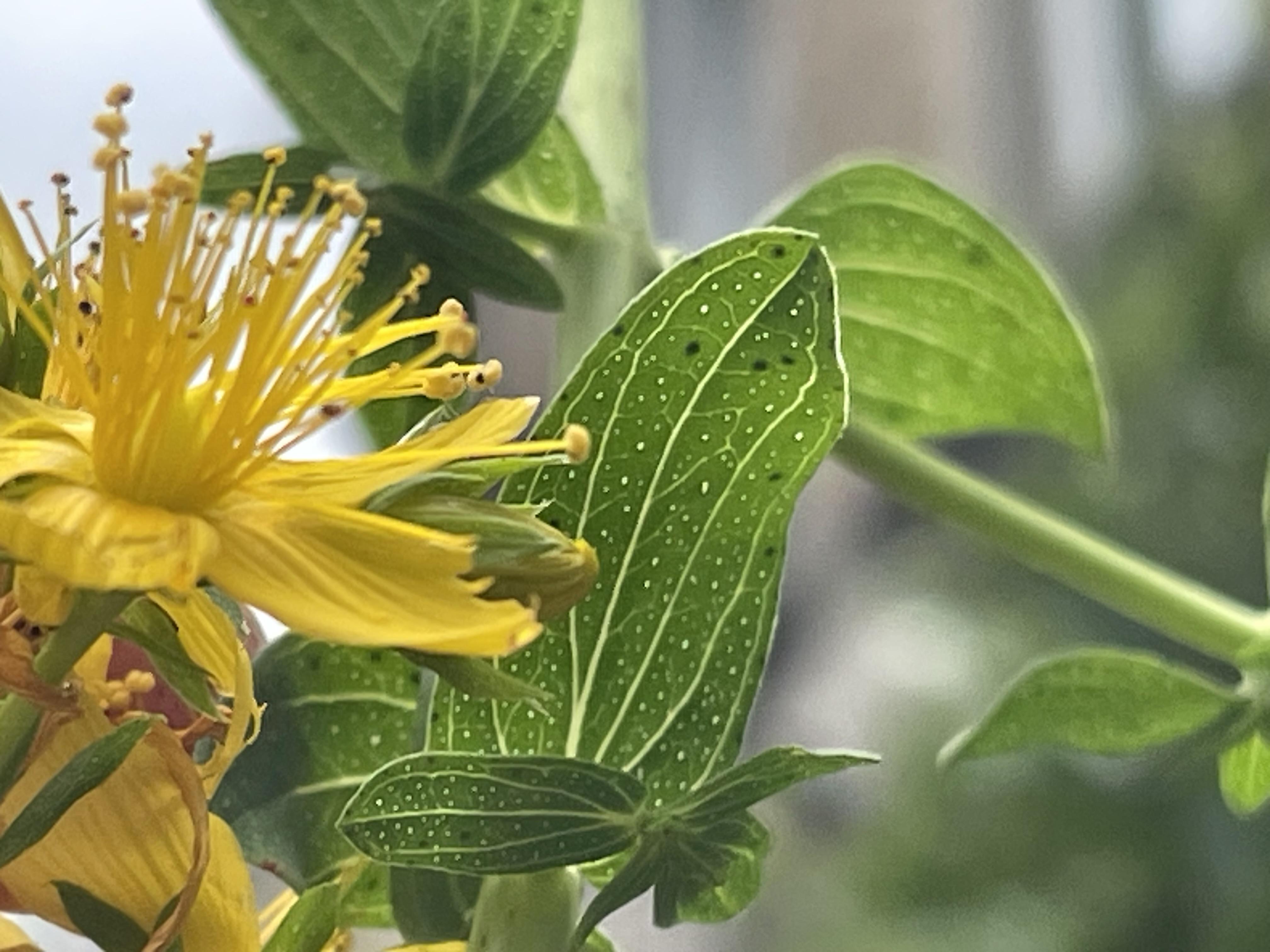
In the garden, St John’s Wort’s bright yellow flowers are rich in pollen, attracting a wide variety of bees, butterflies and hoverflies, supporting the health of the wildlife around us. Look out for Hypericum perforatum in your local wild spaces, with its numerous oil glands, appearing as tiny holes or perforations in the leaf when held up to the light.
 Due to its activating effects on the liver St John’s Wort should be used under supervision for anyone taking anti-depressants or any pharmaceutical medication.
The ‘Herbal Clinic’ in Swansea provides natural medicine healthcare with the use of organic herbs, acupuncture and iridology.

This Post Has 0 Comments