Choosing Safe Cookware
There are many pans and types of cookware on the market that claim to be ‘healthy’ – PFOA and toxin free. But which pans are actually the safest to cook with; and is the ease of a non-stick coating worth the risk?
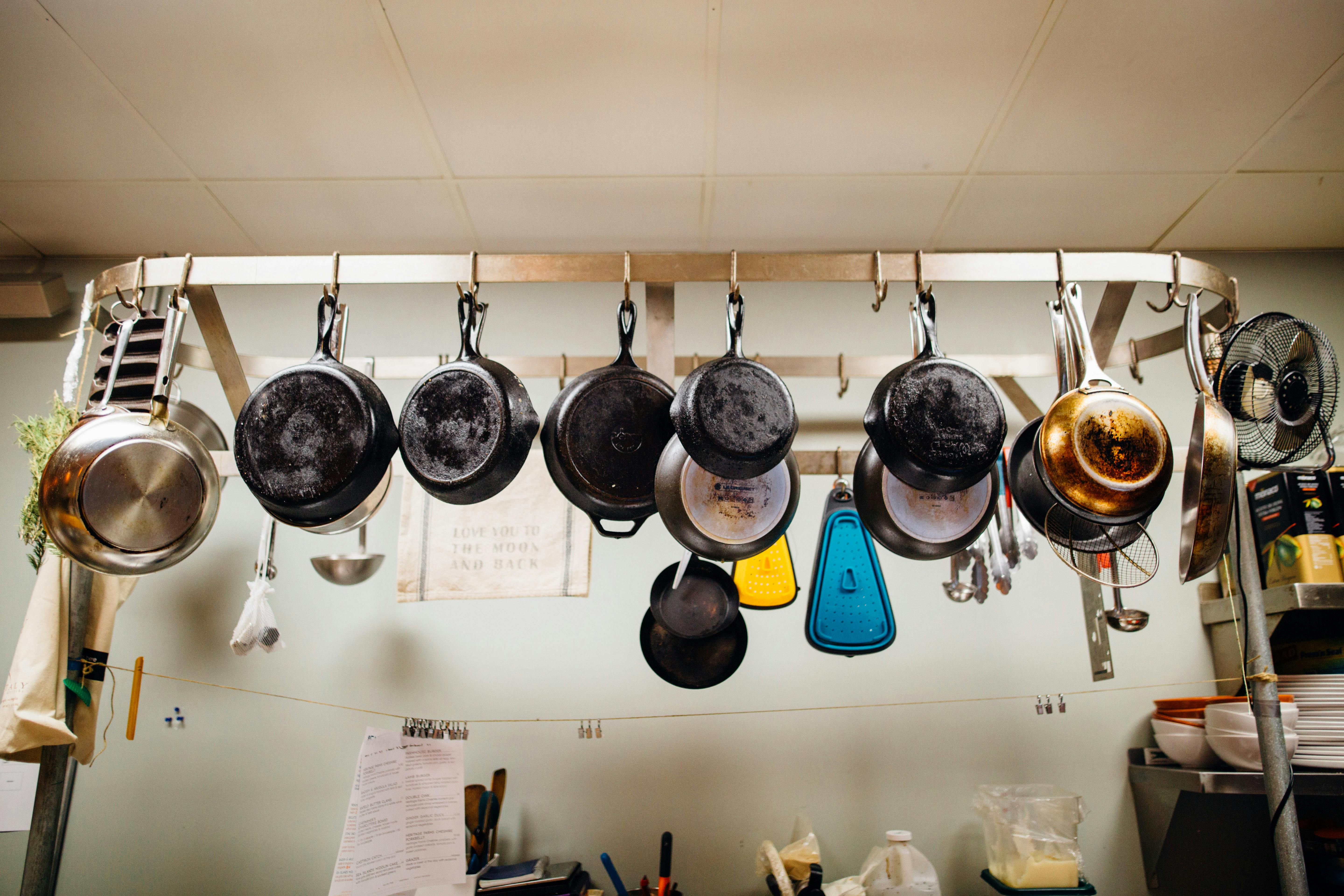
Non-stick ‘Teflon’ Type Coatings
Until 2013 the chemical PFOA was used in the production of most non-stick coatings. This chemical was phased out when it was found to be linked to a number of serious health conditions including infertility, thyroid disorder and testicular cancer.
Since then, PTFE, another chemical from the same family has replaced it.
Chemicals in the PFOA and PTFE family are so slow to degrade they have been labelled as ‘forever chemicals’. They have been found in the blood and breast milk of people and wildlife all over the world. In 2022 the US environmental protection agency advised health authorities that, based on their research, there are NO safe levels of these chemicals in drinking water. Even tiny amounts can cause cancers, infertility and cardiovascular risks.
It is currently cited that PTFE coatings are safe, however, the production of PTFE does not require that producers disclose how their product is made. Most manufacturers in Europe and America use a PFOA free process, but it is legal to use similar chemicals, with potential health and environmental concerns that are less well studied. Regulations elsewhere in the world vary and some countries may still use PFOA in their manufacturing process.
PFOA has been well studied, resulting in its ban. However, thousands of other chemicals in this family are lacking in toxicological data.
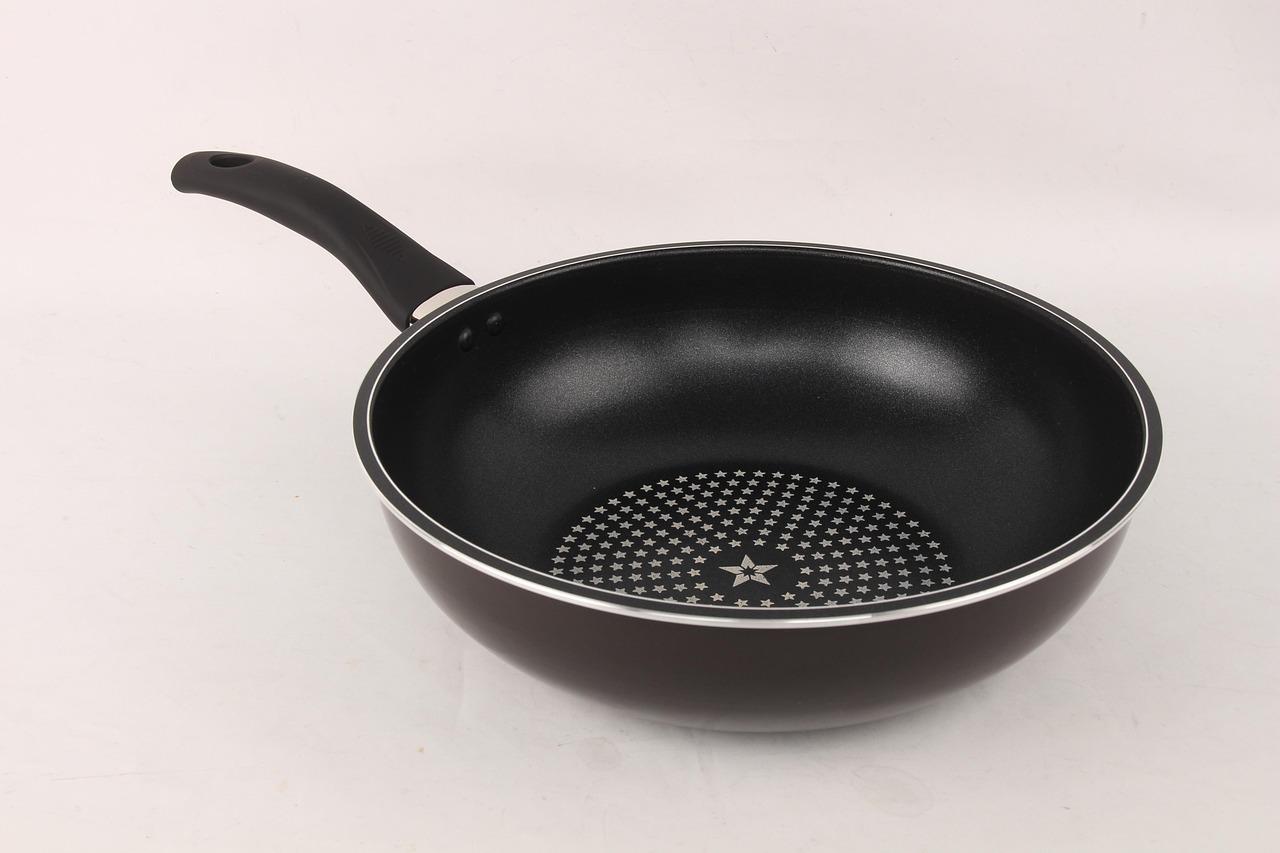
In addition to this, when PTFE is overheated it breaks down releasing gases and particles, many of which are highly toxic. Some research has found that this can happen even at normal cooking temperatures.
As for their environmental impact, when pans are disposed of, the high heat of their incineration releases toxins into the atmosphere causing further contamination.
In short:
• Most non-stick ‘Teflon’ type coatings are made from PTFE which belongs to a family of highly toxic chemicals
• The production of these coatings (and residues remaining in the final product) may involve the use of chemicals which are harmful and lacking in toxicology data.
• When pans with a Teflon coating are overheated they release toxic substances into the air.
Ceramic coatings and new non-stick technology
With public concerns about the health impact of PFOA and PTFE new non stick coatings have been developed.
‘Ceramic’ coatings are now widely available, being marketed as safer for the consumer and the environment. These coatings are not actually made of ceramic, but a substance called ‘sol-gel’ which contains silica alongside some other additives.
Silica is chemically stable and non toxic; however, there are still a few concerns:
• Additives in the ‘sol-gel’ can include synthetic or plastic binders which could potentially release toxic fumes if the pan is overheated.
• Additives may include trace metals such as aluminium (designed to enhance durability) which can leach into food if the coating is degraded in any way (worn, cracked or chipped).
• There is very little research on the long term effects of consumption of additives used in the coatings.
Ceramic coated pans do offer an apparently safer option than Teflon as long as they are used with care; avoid overheating, prevent abrasion, replace when worn and choose a reputable brand.
Cookware that Stands the Test of Time
Non-toxic and long lasting, cookware that has stood the test of time includes cast iron, stainless steel and 100% ceramic. The outlay cost for these types of kitchenware is often greater; however, if cared for correctly they can last a lifetime (or more!).
This cookware behaves a little differently from the non-stick pans many have become accustomed to, so it’s worth remembering a few tricks when it comes to getting a non-stick result. The following advice is for higher heat cooking and for foods that tend to stick; gentle sautéing of vegetables doesn’t require the same attention to details.
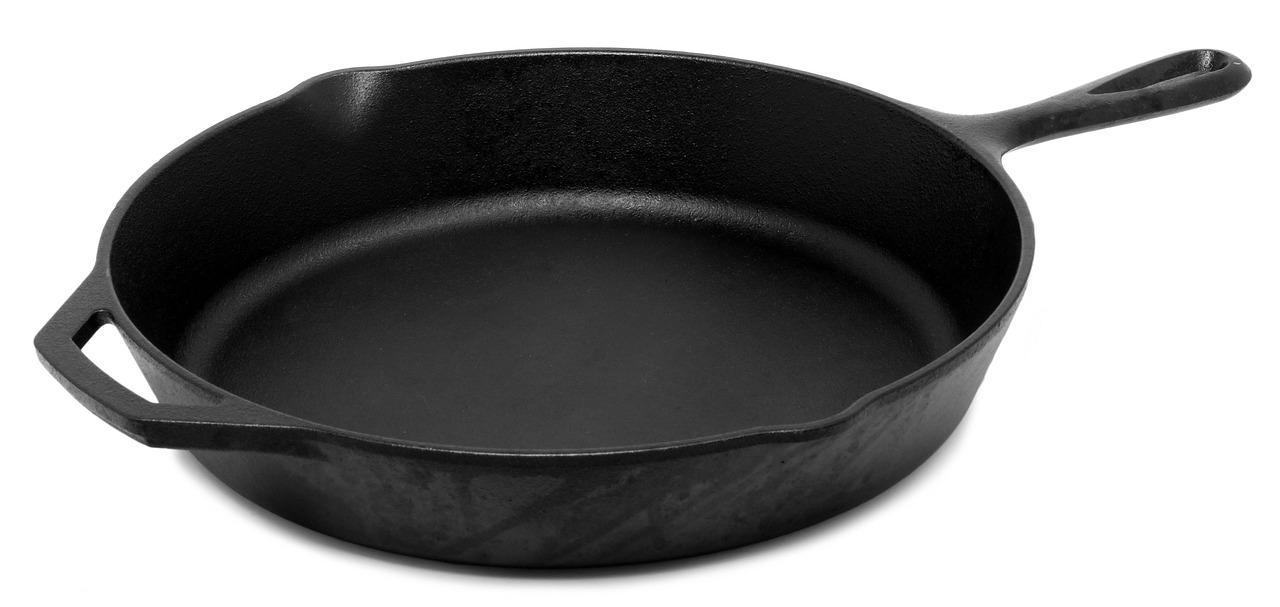
Cast iron: Choose a pre-seasoned pan for ease of use and follow the manufacturer’s guidelines. Cast iron is heavy to work with – if this is a problem you’ll need to adjust your cooking and serving accordingly, e.g. don’t try flipping pancakes in a large cast iron pan! Use a spatula to lift food from the pan to the plate rather than lifting the pan. Choose the smallest pan that will accommodate your needs to save additional weight.
Cast iron pans can cook most foods without sticking as long as they are pre-heated. Put the pan on a medium heat for around 5-10 minutes before you are ready to cook, then add oil and adjust the heat as required.
Stainless steel: Stainless steel is often a lighter option than cast iron, however it requires a little more attention to prevent foods from sticking.
Preheat the pan on a medium heat for 2-5 minutes then test the temperature by sprinkling a few drops of water into the pan; the drops should form beads that dance on the surface (looking like mercury). If the drops immediately evaporate then the pan is too hot and should be cooled a little.
Add the oil. The oils that can withstand a high heat will work best e.g. ghee, coconut oil or other oils with a high smoke point. If the pan isn’t heated correctly or if the oil is overheated it can stick to the pan leaving a residue after cleaning.
Add the food. Avoid moving the food immediately, leave for about a minute until it releases easily from the pan when stirred with a spatula.
100% Ceramic: Ceramic pans cook well on a low to medium heat; they’re not as effective for high heat searing (for example with meats) but are good for cooking fish, eggs, vegetables and pancakes. Ceramic pans are also of a lighter weight than cast iron so can be easier to work with.
Preheat the pan on a low or medium setting before adding the oil and food. Use oils or fats with a high smoke point. Use utensils made from wood or silicone to avoid damaging the surface and avoid sudden temperature changes (such as putting the hot pan under cold water) which create thermal shock and could crack the pan.
The ‘Herbal Clinic’ in Swansea provides natural medicine healthcare with the use of organic herbs, acupuncture and iridology.

This Post Has 0 Comments