
Know your Oils and Fats
Summer is the season for salads; raw seasonal fruits and vegetables such as cucumber, courgette and lettuce are hydrating for the body so it’s a good time to make the most of all the anti-inflammatory vital goodness contained within them.
The addition of oil to a salad increases the absorption of fat soluble vitamins, so a homemade (or good quality) salad dressing is beneficial to boost the nutritional availability of your meal. But which oils are best for drizzling, and which should you use for cooking?
Information on this subject is often conflicting and confusing, so here’s a simple breakdown of oils and fats and how best to use them.
For Dressing and Drizzling
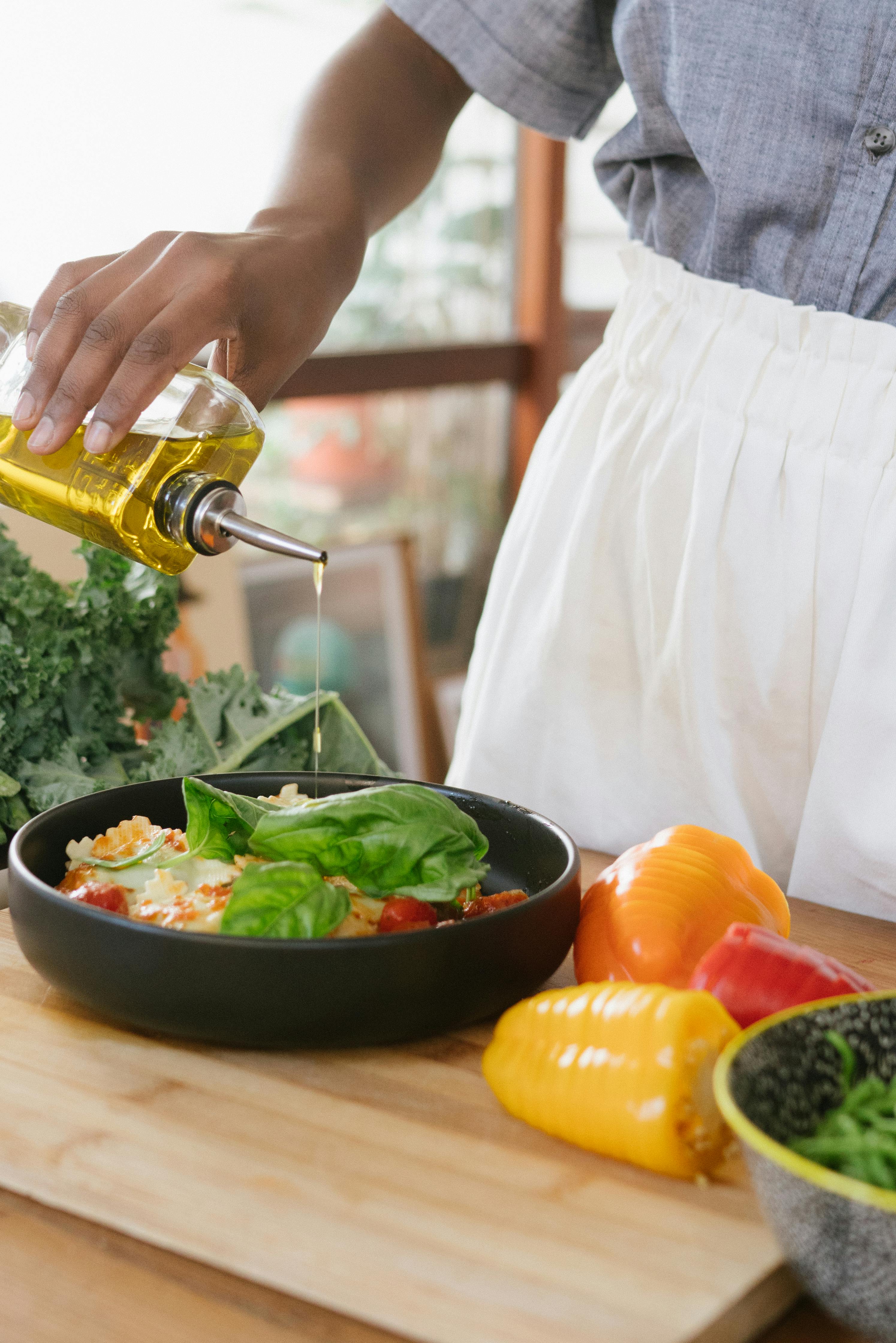
Extra virgin olive oil: Made from the mechanical or hand pressing of olives, this is the least processed form of olive oil. It is rich in polyphenols which have antioxidant properties1 and benefits for the gut flora, as well as anti-inflammatory compounds. Refining olive oil removes the vitamins and polyphenol content.
Hempseed oil: Extracted from the seeds of the hemp plant (unlike CBD oil which is extracted from the flowers, leaves and stalks), hemp seed oil contains high levels of omega 3 and 6 fatty acids, in the ideal proportions. The oil has benefits for skin and cardiovascular health as well as reducing inflammation.
Walnut oil: Rich in the polyunsaturated fatty acids, omega 3 and 6, walnut oil has anti-inflammatory and antioxidant actions in the body.
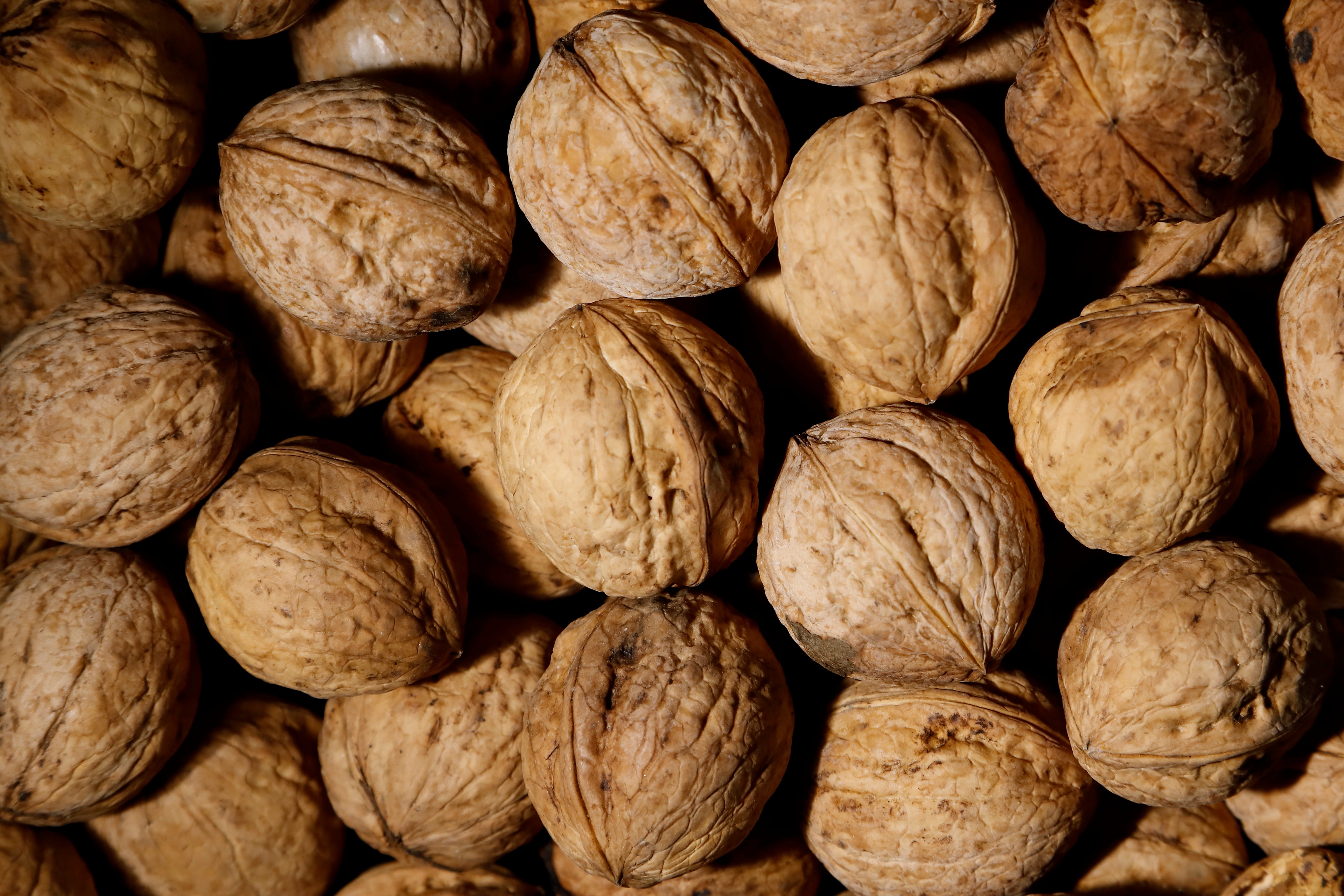
Cold pressed rapeseed oil: There has been some controversy over the years regarding the use of rapeseed oil. Originally rapeseeds were high in ‘erucic acid’, a type of fatty acid which is toxic, so the oil was not fit for human consumption2. In Europe crops have now been cultivated to significantly reduce this toxin to a safe level (in Canada they were genetically engineered to produce the same result) and in the UK, cold pressed and unrefined rapeseed oil is being celebrated as a healthy equivalent to olive oil.
High in monounsaturated fats, it contains vitamins A, K and E as well as antioxidants and is a source of omega 3 fatty acids. Cold pressed rapeseed oil has a higher smoke point than olive oil, potentially making it suitable for high temperature cooking, however as it contains a higher level of polyunsaturated fats (which are sensitive to heating) it is probably better to use it raw. Rapeseed oil is probably one of the most environmentally sustainable oils but as it is relatively new to the market, the research on its health benefits are lacking in comparison to olive oil.
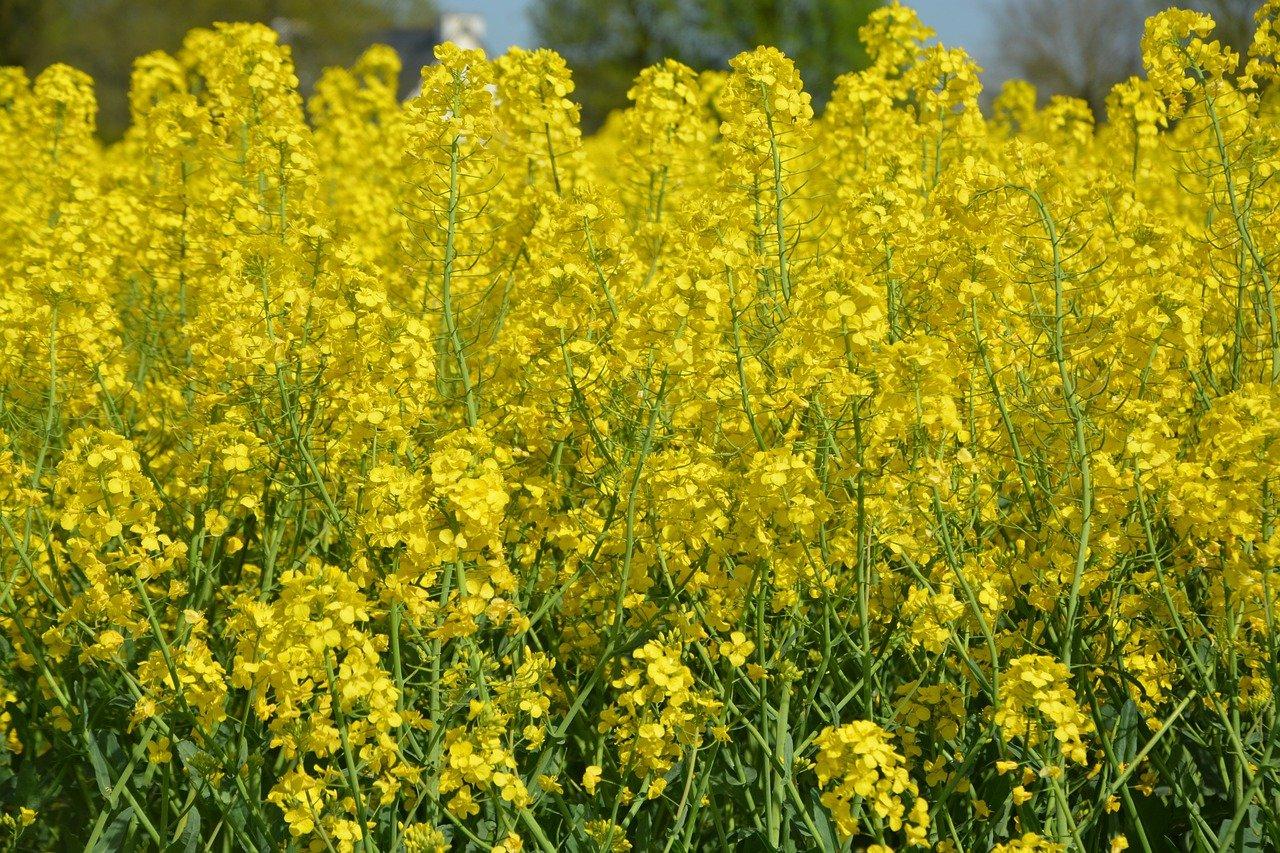
Other seed oils: Most seed oils are high in polyunsaturated fatty acids which oxidise easily and don’t keep very well. To use seed oils choose cold pressed, buy in small quantities that can be used quickly and keep refrigerated. Seed oils are best eaten in their natural form; contained within the seeds!
For Frying
Oils that are safe for frying are those that are stable at high temperatures and have a high ‘oil smoke point’. Also known as the burning point, this is temperature at which the oil starts to break down, forming smoke and releasing damaging free radicals as well as toxic substances called acrolein3 and acrylamide.
Ghee: The smoke point of ghee is around 230 degrees centigrade so it is suitable for some high temperature cooking such as roasting, as well as lower temperatures. Ghee is produced by simmering unsalted, organic butter to separate the milk solids from the fat – you can do this at home. It is a very healthy fat, high in monounsaturated fatty acids it is a good source of vitamins A and D as well as the antioxidant vitamin E. It also contains butyrate which has anti-inflammatory effects in the body. Its traditional use includes consumption during cleansing as it helps to eliminate toxins from the body.
Coconut oil: The smoke point of unrefined coconut oil is around 177 degrees centigrade, making it suitable for medium temperature pan frying, sautéing and baking. It is a good source of vitamin E and has a good balance of the omega 3, 6 and 9 essential fatty acids. Coconut oil contains lauric acid which has anti-inflammatory effects.
Extra virgin olive oil: The smoke point of extra virgin olive oil is between 160 to 190 degrees centigrade making it safe for medium temperature pan frying, sautéing and baking. Primarily consisting of monounsaturated fatty acids, olive oil is more resistant than other vegetable and seed oils to the effects of heating, making it one of the safest oils to use. Be cautious if roasting or stir frying at high temperatures as it may burn.
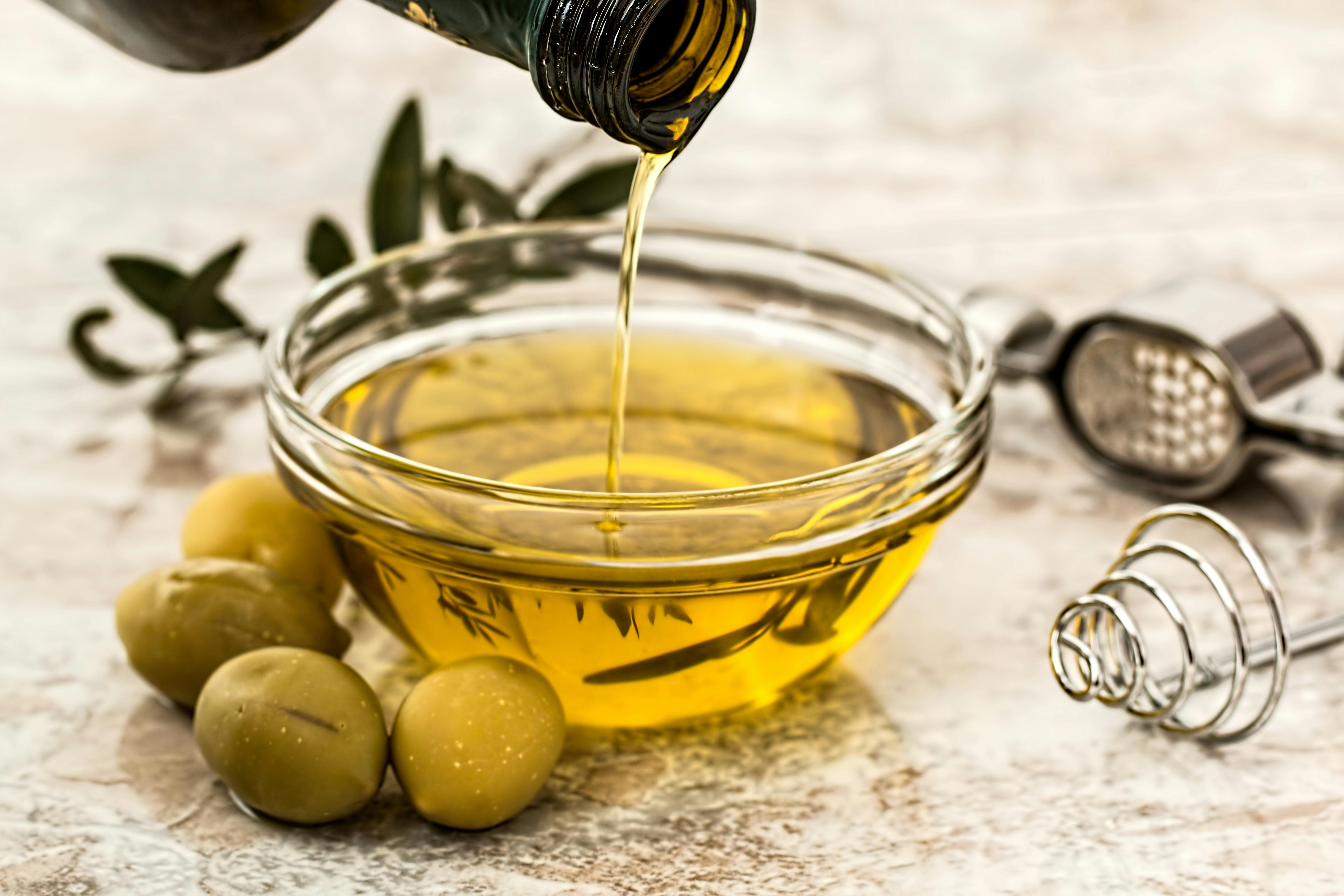
Avocado oil: The smoke point for unrefined avocado oil is higher than that of olive oil at around 190 degrees centigrade. Also rich in monounsaturated fatty acids, avocado oil is a healthy option.
Beef fat: The smoke point of beef fat is 210 degrees centigrade making it safe for high temperature cooking such as roasting. Beef fat is becoming recognised as a safer fat than others to use for high temperature cooking and as a result is more widely available. The fat contains beneficial vitamins such as A and D. Grass-fed beef fat contains more omega 3 fatty acids than those reared on grains, and is the ethical choice (organic when possible.)
PLEASE NOTE: The environmental impact of oil production can be high, particularly with coconut oil, avocado oil and olive oil4. Wherever possible choose organic and fairly traded.
Refined oils
Most ‘cooking oils’ that you find on the supermarket shelves are highly refined – this includes sunflower oil, corn oil, safflower oil and vegetable oil, as well as some olive oils. The processing of refined oils involves chemical extraction processes, bleaching and deodorising. Most oil soluble vitamins are removed during this process and harmful contaminants such as trans fats are formed. The reason for the refining process is to allow the oil to be more shelf-stable (keeping for longer without becoming rancid) and to increase their smoke point (so they can be heated to higher temperatures without burning).
It’s best to consume refined oils infrequently, if at all.
Saturated fats
Saturated fats come in many forms, many are from animals such as butter, ghee and beef fat but some are of vegetable origin such as coconut oil. Because they are both shelf stable – keeping well for a long period of time before they turn rancid, as well as heat stable, they are a safer option for high heat cooking. The idea that saturated fats cause heart disease was introduced in the 1950s; however, clinical studies could never establish a causal link between the two. Over the last 10 years this has been brought to light and the conclusion of nutritional experts (published in over 20 review papers) is that saturated fats have no effect on cardiovascular disease or deaths5. What was unfortunately more damaging were the trans fats in the hydrogenated margarines and butter replacements that were then marketed as healthy.
Technical terminology
Oils and fats – what’s the difference?
Fats and oils have a similar chemical structure and similar properties; both are made of fatty acid molecules. The biggest difference between them is that fats are solid at room temperature, whereas oils are a liquid form of fat.
There are three types of fats:
Saturated – these fats are solid at room temperature, very stable and tolerate higher temperatures in cooking.
Polyunsaturated fats – these are oils that are found primarily in seeds, they are liquid at room temperature, are unstable for cooking and oxidise easily so should be kept in the fridge and used quickly.
Monounsaturated – these oils are liquid at room temperature, they are generally more stable than polyunsaturated oils so can tolerate some heating. They are found in nut and olive oils.
2. Rapeseed oil
3. Acrolein
4. Environmental impact of cooking oil
The ‘Herbal Clinic’ in Swansea provides natural medicine healthcare with the use of organic herbs, acupuncture and iridology.

This Post Has 0 Comments