Reducing Fever without Pharmaceuticals
In the time of the Greek physician Hippocrates, over 2000 years ago, fever was recognised as a healthy response to infection and a way for the body to ‘cook’, transform or resolve illness.
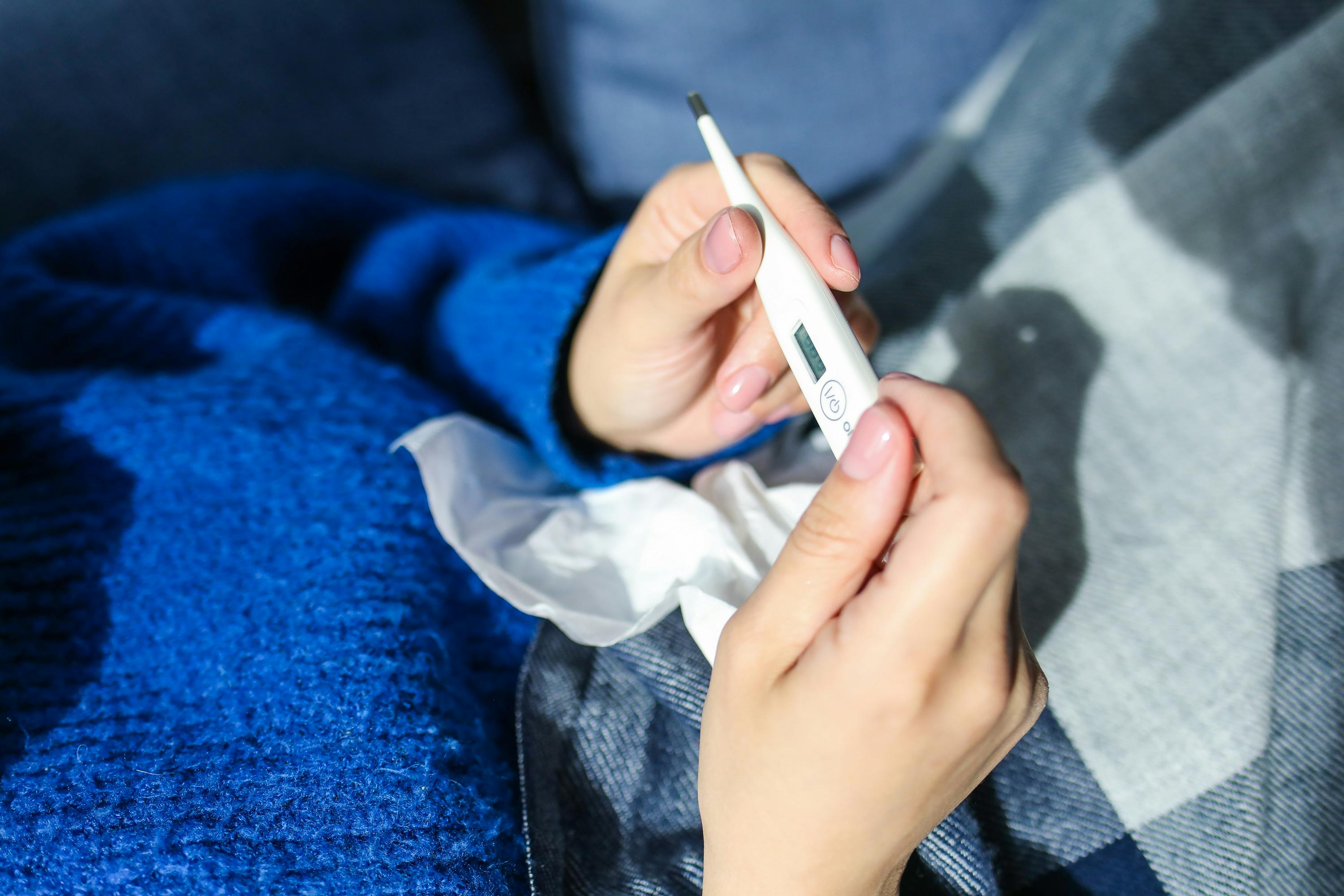
As perspectives shifted, fever became viewed as something more dangerous; a disease in its own right. This view persisted right through to the 1800s when fever was controlled rigorously with cold baths and ice. It was in the early 1900s that medical understanding advanced and it was recognised that fever was coordinated by the hypothalamus within the body and that it was part of the immune function. However, the idea that fever was harmful persisted and antipyretic medications to lower temperature such as aspirin and paracetamol were commonly prescribed.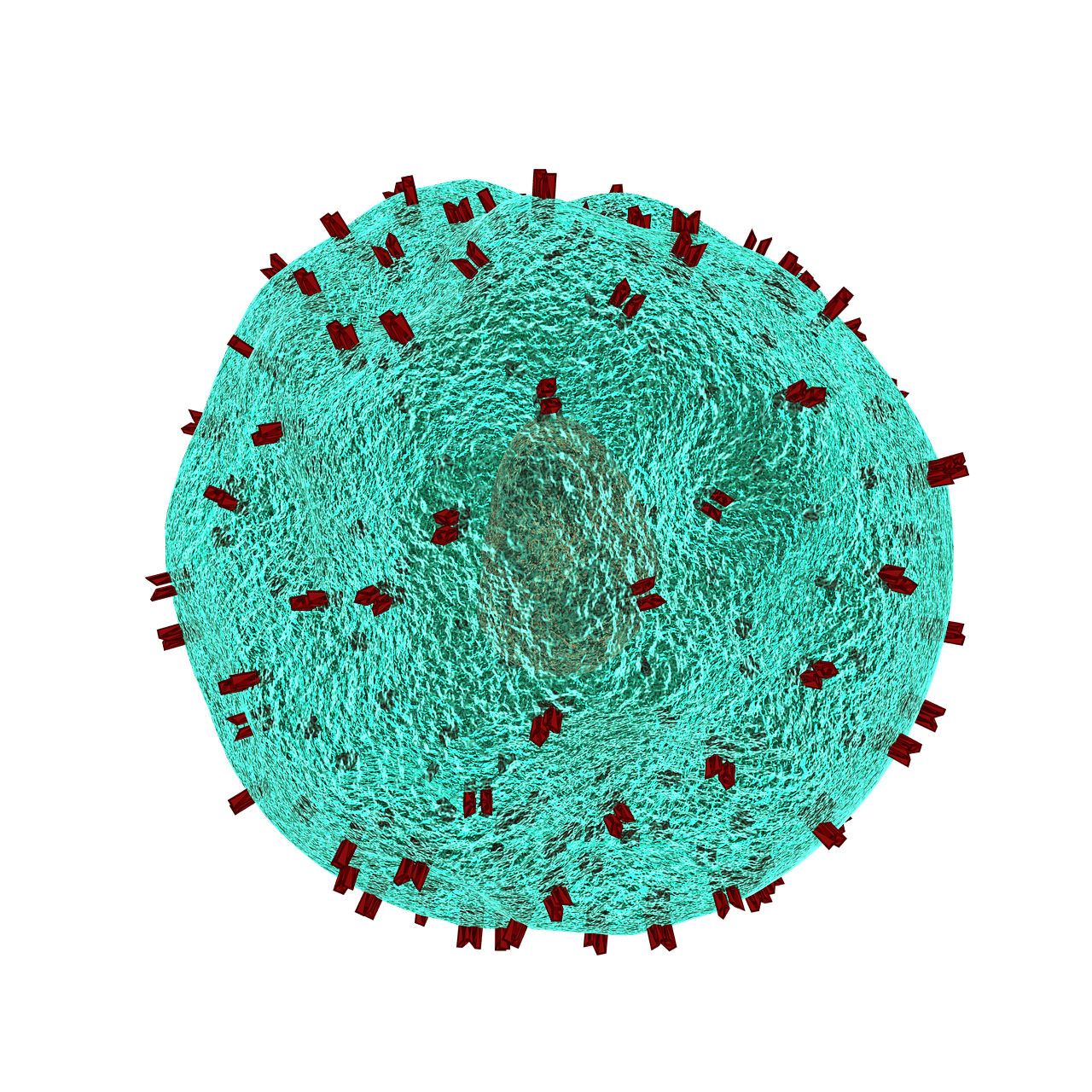 That brings us up to date. The current understanding of fever is that it is part of the adaptive immune response and routine suppression of fever is not recommended…… except that it is. Antipyretics are still regularly advised and used for comfort; the medical myth persists in members of the public that a fever should be reduced for safety.
Evidence shows that:
• Fever is actively generated by the immune system. It is a regulated physiological response, it is not accidental.1
• Fever enhances immune function. A fever up to 39 degrees has been found to increase white blood cell count, improve antibody responses and reduce the replication of some bacteria and viruses which are temperature sensitive.2
• Suppressing fever does not shorten illness or reduce complications; it can prolong the infection. Some studies have suggested that antipyretics may increase viral shedding, prolong symptoms and reduce immune signalling efficiency.3
Key Support for Fevers
Plenty of rest.
Keep well hydrated with water and herbal teas.
Wear breathable clothing – natural fibres such as cotton or wool to allow the body to cool when it needs to.
Eat lightly, only if food is desired.
Herbal Fever Medicine
Fever can make the immune response faster and more effective, but you can provide support, using herbs which assist the body in cooling and fighting infection. These do not artificially lower the body temperature but instead promote natural cooling functions, such as encouraging sweating, which keeps the temperature within a more tolerable range.
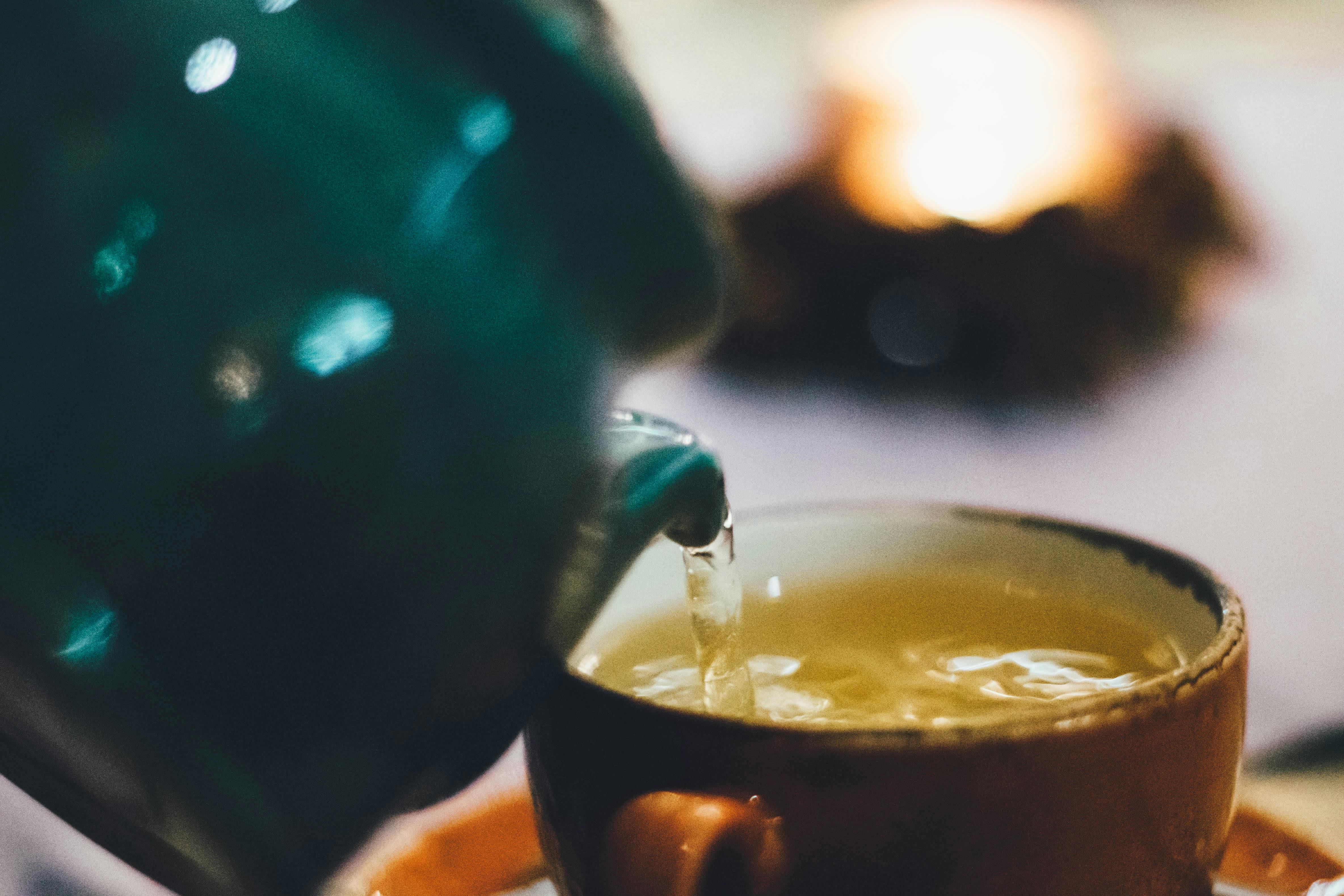
Herbal fever medicine can be taken as an infusion, made using loose herbs rather than a tea bag. It is suitable for children over the age of 6 months. If necessary the tea can be sweetened using apple juice in a ratio of 1 part tea to 1 part apple juice.
Combine equal parts of the following herbs:
Chamomile (Matricaria chamomilla) – A calming herb which encourages rest and sleep, soothes and reduces inflammation and gently stimulates the immune system.
Elderflower (Sambucus nigra) – A cooling herb which encourages sweating, enhances immunity and combats infection.
Lime flower (Tilia sp.) – A soothing and relaxing herb which reduces fever and calms coughs.
For adults use 10g (roughly 10 heaped tablespoons) of herbs to 600ml of boiling water, for children use 5g (or 5 heaped tablespoons). Place the herbs in a teapot and pour in boiling water. Cover the pot to ensure essential oils are contained. Leave to infuse for 15-20 minutes, then strain. Drink freely throughout the day; though for babies just 25ml per dose is sufficient up to 6 times a day. The tea can be made up at the beginning of the day and stored in the fridge for use over the day, but warm it gently before serving.
For babies under 6 months a herbal bath or hand/foot bath can be given. Use 25g of herbs infused in 600ml of boiling water and leave for 15 minutes to infuse. Add the infusion to a small bath with enough water to make it a suitable depth and temperature. Hand/foot baths should be given twice daily and for 4 minutes each time.
Note for fever in pregnancy: There is a small increased risk of abnormal foetal development with high or prolonged fever in the first trimester of pregnancy. Due to this, we recommend that you seek one to one guidance on suitable herbs for you.
1. Cytokines and fever. Bruno Conti et al. Front Biosci. 2004 May 1:9:1433-49.
The ‘Herbal Clinic’ in Swansea provides natural medicine healthcare with the use of organic herbs, acupuncture and iridology.

This Post Has 0 Comments