
The Daily Fast
Fasting has regained popularity in recent years and evidence shows that it has many benefits, beyond that of weight loss alone.

In the gut, certain species of microbes multiply during a fast; these feed off carbohydrates in the gut lining, improving the efficiency of the gut barrier, which forms part of the immune system and is vital for healthy immune responses.
Studies have found that ketones (produced as a result of fasting) improve the ability of the body’s cells to repair damage and reduce inflammation, a key action for minimising risk of chronic disease.
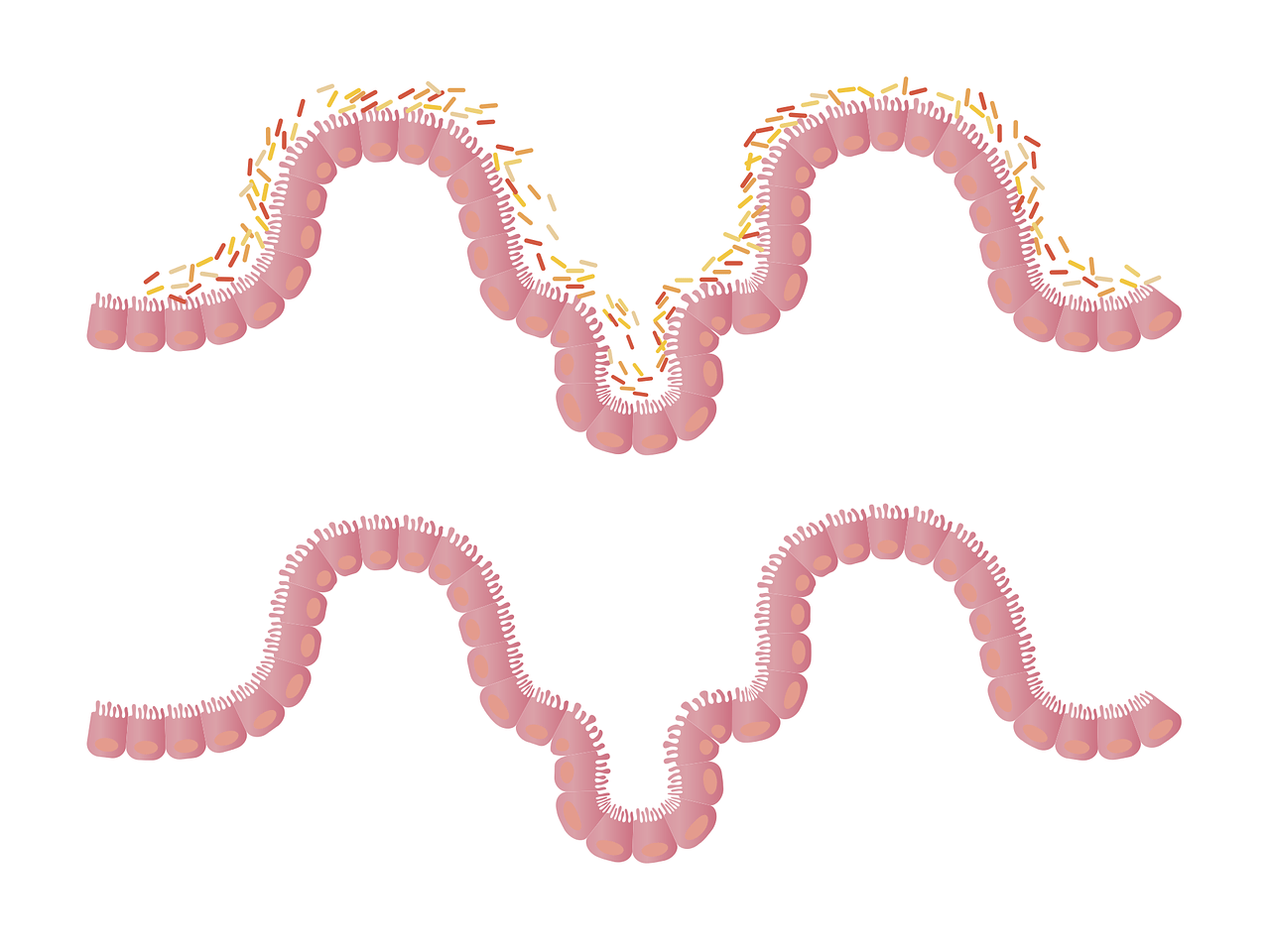
Other research has shown that intermittent fasting can help prevent age-related changes in the small intestine, returning the jejunum to ‘a younger version of itself’.1
A fasting state usually starts around 10-12 hours after your last meal. As the body becomes depleted of readily available glucose it begins to break down fat molecules, forming ketones, which can then be used as fuel. This shift from burning glucose to fats is part of the key to the health benefits linked to fasting.

One easy way to benefit from the effects of fasting is to capitalise on your daily (or rather nightly) fast. Eat an early dinner – ideally no later that 5.30pm and don’t snack in the evening – this includes sugary/milky drinks. Breakfast the next morning can be taken at 8am providing a painless 14 hour fast which can be repeated on a daily basis with minimal interruption to your daily schedule.
A large meal in the evening is linked to weight gain and metabolic disorders2, so those prone to these conditions would benefit from making the last meal of the day a lighter one, with emphasis on vegetables, beans, seeds and pulses.
A slightly longer fast may also be appropriate occasionally to give the digestion a rest – dinner at 5pm through to lunchtime the next day. This should be approached in a similar way to longer fasts; at a time when you can clear or minimise your work schedule, allowing time to rest and release toxins and tensions. Regular morning fasting as part of a busy routine encourages the body to run on adrenal energy which is depleting. For more information on longer fasts you can look at our article entitled ‘Fasting for Gut and Immune Health’.
Intermittent Fasting and Metabolic Health https://www.ncbi.nlm.nih.gov/pmc/articles/PMC8839325/#B28-nutrients-14-00631
- Intermittent fasting may help preserve intestinal health as we age https://medicalxpress.com/news/2024-04-intermittent-fasting-intestinal-health-age.html
- Consuming more of daily caloric intake at dinner predisposes to obesity. A 6-year population-based prospective cohort study https://pubmed.ncbi.nlm.nih.gov/25250617/
The ‘Herbal Clinic’ in Swansea provides natural medicine healthcare with the use of organic herbs, acupuncture and iridology.

This Post Has 0 Comments