
All About Mastication (Chewing)
Last month we began the journey of honing good eating habits for effective digestion by taking a quiet moment before meals. With the nervous system in parasympathetic or ‘rest and digest’ mode – the digestive process can activate; this begins as the sight and smell of food triggers the release of digestive enzymes.

Chew Well
The first stage of digestion begins in the mouth as the teeth break the food apart mechanically and digestive enzymes in the saliva start the chemical process of splitting it into smaller particles.
It’s important to chew food thoroughly so that it is well mixed with saliva. Starches, such as bread, potato and porridge are soft and easy to swallow quickly but they need particular attention; salivary amylase is the most abundant enzyme in saliva and its role is to begin the breakdown of these starches.
If food is rushed or ‘gobbled’ then additional workload is put on the digestive system lower down; over time this will work less effectively.
Chewing for Metabolic Health
The release of salivary amylase as we chew starches causes a signal to be sent to the brain that allows the early release of insulin – allowing the body to deal more effectively with sugars thus increasing glucose tolerance¹. A low glucose tolerance can result in metabolic disorders such as diabetes, polycystic ovarian syndrome and even Alzheimer’s disease.
Top Tantalising Reasons to Chew Well
- Chewing stimulates the release of saliva which has many health benefits; the more you chew, the more saliva is produced.
- When mixed well with saliva, food can be easily assimilated by the body and blood glucose levels are better controlled.
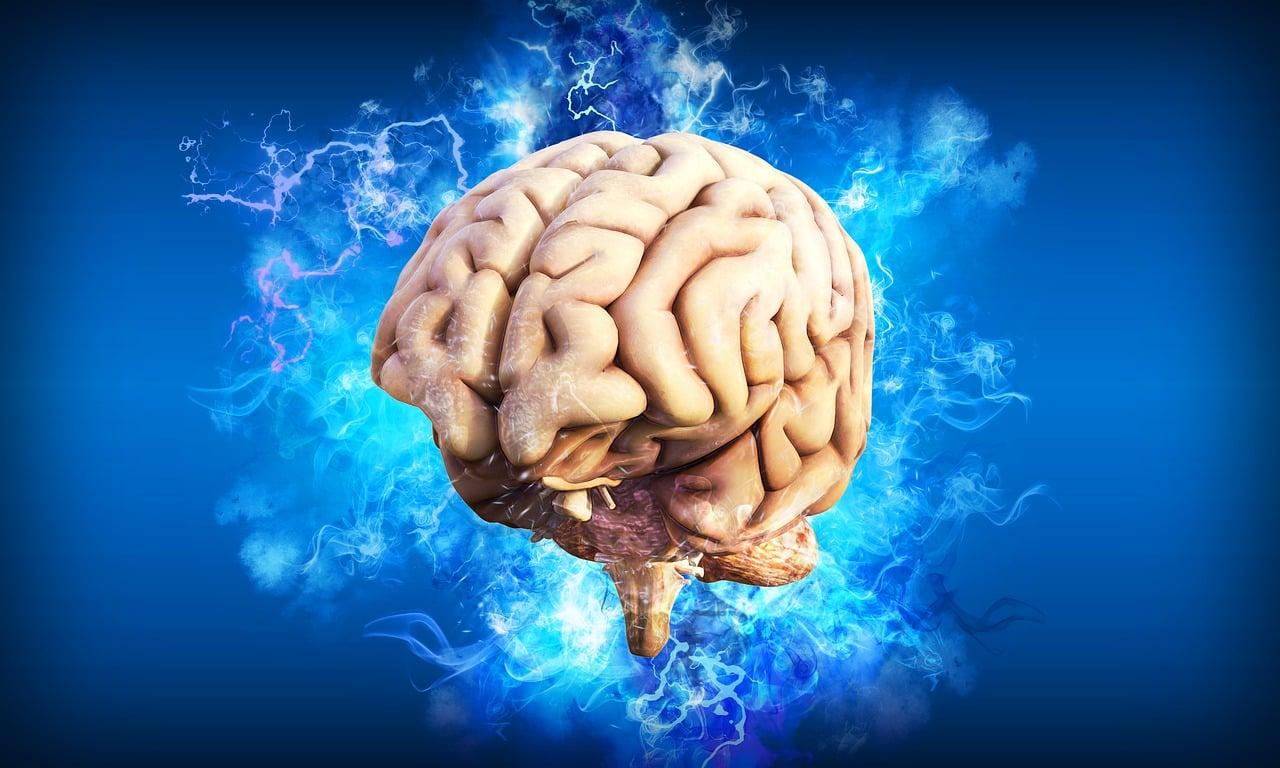
- Chewing stimulates brain function, activating areas which are responsible for higher thinking.²
- Chewing well gives your body time to recognise when it is full so that you don’t overburden your digestion.
The Varied Roles of Saliva
- Breaks starches in food down into maltose and dextrin, reducing the number of sugars available to microorganisms and discouraging their growth, therefore reducing tooth decay.
- Protects the mouth from unwanted bacteria with the help of proteins that have an antimicrobial effect.
- Forms a film over the surface of the teeth which binds with calcium and helps to protect the surface of the teeth.
- Contains proteins and growth factors that regenerate tissues and encourage wound healing; have you ever noticed how small wounds or burns in the mouth usually heal quicker than elsewhere on the body?
- Assists the sensation of taste by liquefying food which allows taste receptors to activate.³

The ‘Herbal Clinic’ in Swansea provides natural medicine healthcare with the use of organic herbs, acupuncture and iridology.

This Post Has 0 Comments