
Garlic Mustard Hummus
Many edible wild plants are rich in nutrients and contain a wide range of plant compounds that benefit our health. Garlic mustard is no exception; the greens are high in vitamins A, C and E as well as minerals and chlorophyll. The whole plant is edible, including its leaves, flowers, seed pods, stems and roots; it has a mildly pungent mustard flavour.
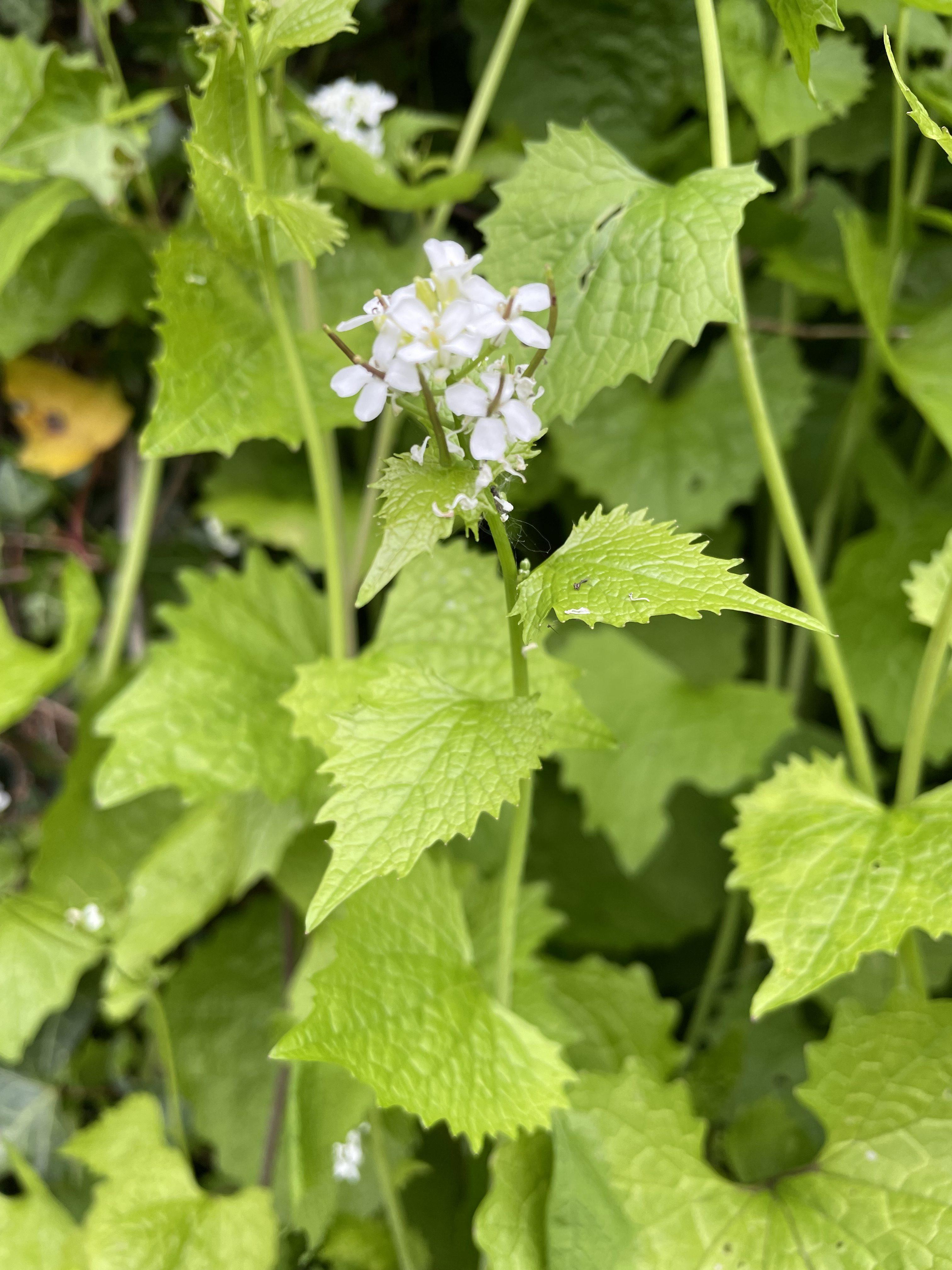
This recipe makes use of the flowering tops (with the smaller leaves) to create a simple but delicious hummus, a perfect accompaniment to a salad on a warm day. In addition to its anti-inflammatory properties, the olive oil in the hummus makes the fat soluble vitamins contained in the plant more readily available for absorption.
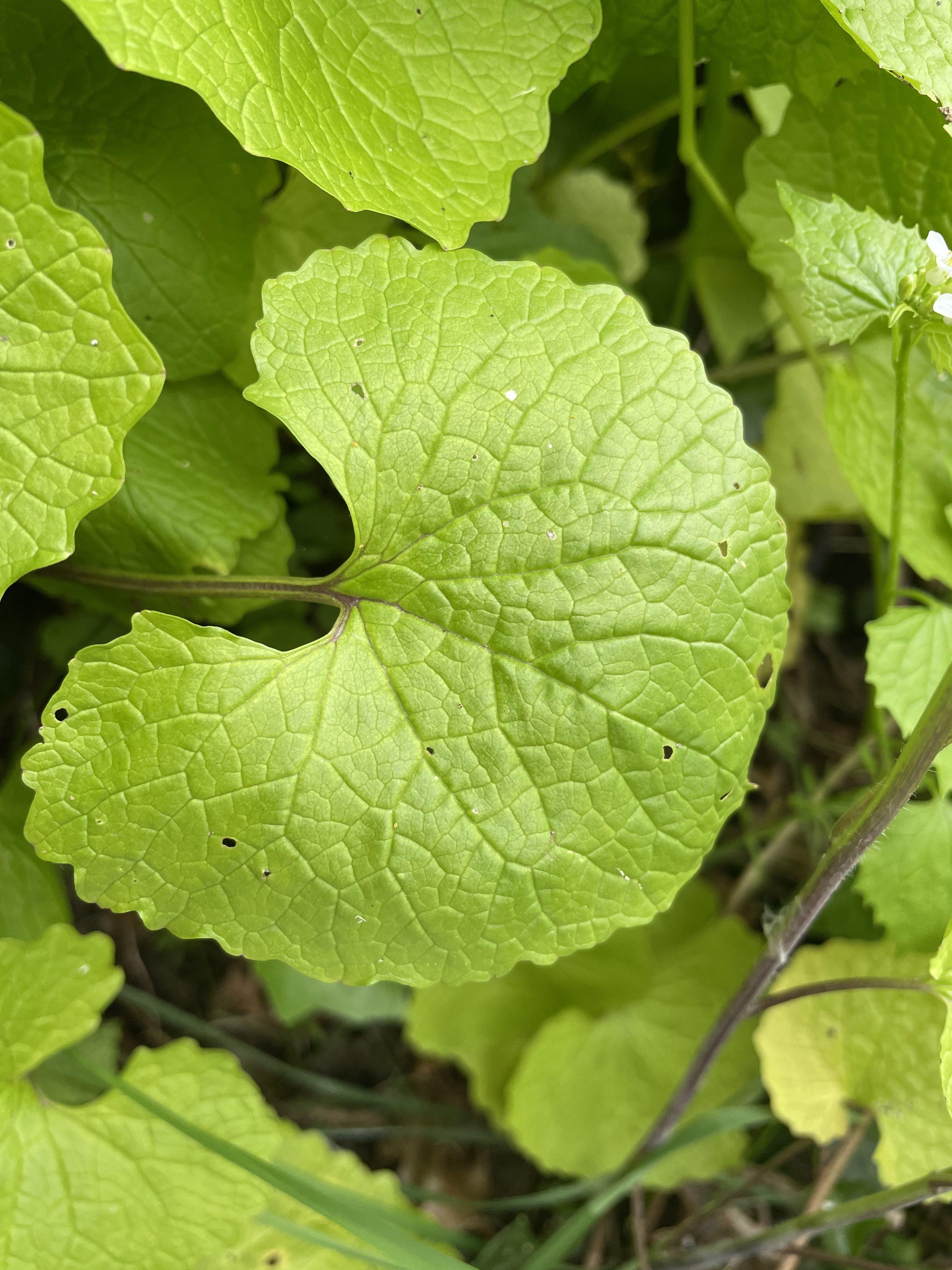
Always be sure of your identification before picking/eating wild plants. Garlic mustard is considered invasive; great news for harvesting, but best not to try to introduce this into your garden.
Ingredients and Method
1 can chick peas
Juice of 1 lemon
2 teaspoons tahini (optional)
100ml olive oil
2 cloves of garlic
1 teaspoon cumin powder (optional)
A handful of garlic mustard leaves and flowers; the smaller leaves at the top of the plant
are preferable in this dish.
½ teaspoon salt

Put all of the ingredients into a jug and blend well using a hand blender. Taste and add
more garlic mustard leaves according to your preference.
The ‘Herbal Clinic’ in Swansea provides natural medicine healthcare with the use of organic herbs, acupuncture and iridology.

This Post Has 0 Comments