
Fermenting – transforming foods
Fermentation can be described as ‘the transformative action of micro organisms on food.’ In controlled fermentation we can encourage the growth of some bacteria and discourage the growth of others. The origin of fermentation predates historical records – before fridges and freezers this was how foods were preserved.
Fermentation transforms the food nutritionally in four ways:
-
Pre-digestion: Soya beans are noted as being very high in protein but this protein is hard to break down and release through digestion alone. Fermenting processes such as those used in tempeh, miso, soy sauce, pre-digest the protein making it available to us. Lactose in milk is partially broken down in the yoghurt and kefir making process making it more easily tolerated by some. These cultures contain the enzyme ‘lactase’.
-
Breaks down toxic substances: Phytates from seeds and grains and oxalates from spinach and chard are broken down to a non toxic form. These bind to minerals such as iron and calcium and high levels are thought to cause kidney stones.
-
Nutrient enhancement: Many bacteria increase the levels of vitamins in the foods, e.g. B vitamins are often increased.
-
The bacteria themselves – Diversity is key when it comes to the health of our bacterial communities and microbiome. Eating fermented foods is associated with an increase the resident population of health promoting bacteria.
We are just beginning to understand the vital role that the bacteria in our gut play, benefiting not only the physical functioning of systems such as the immune system, but also our emotions and moods through regulation of serotonin. These systems have far reaching effects and imbalance results in diseases such as allergies, auto-immune conditions, headaches and depression.
“In a small but profound way, getting involved with fermenting food in your home is a way to embrace the bacterial allies that are all around us. And rather than getting caught up in the foolish, indiscriminate war on bacteria, we can embrace the bacteria around us and turn them into our physiological allies.”
~ Sandor Ellix Katz
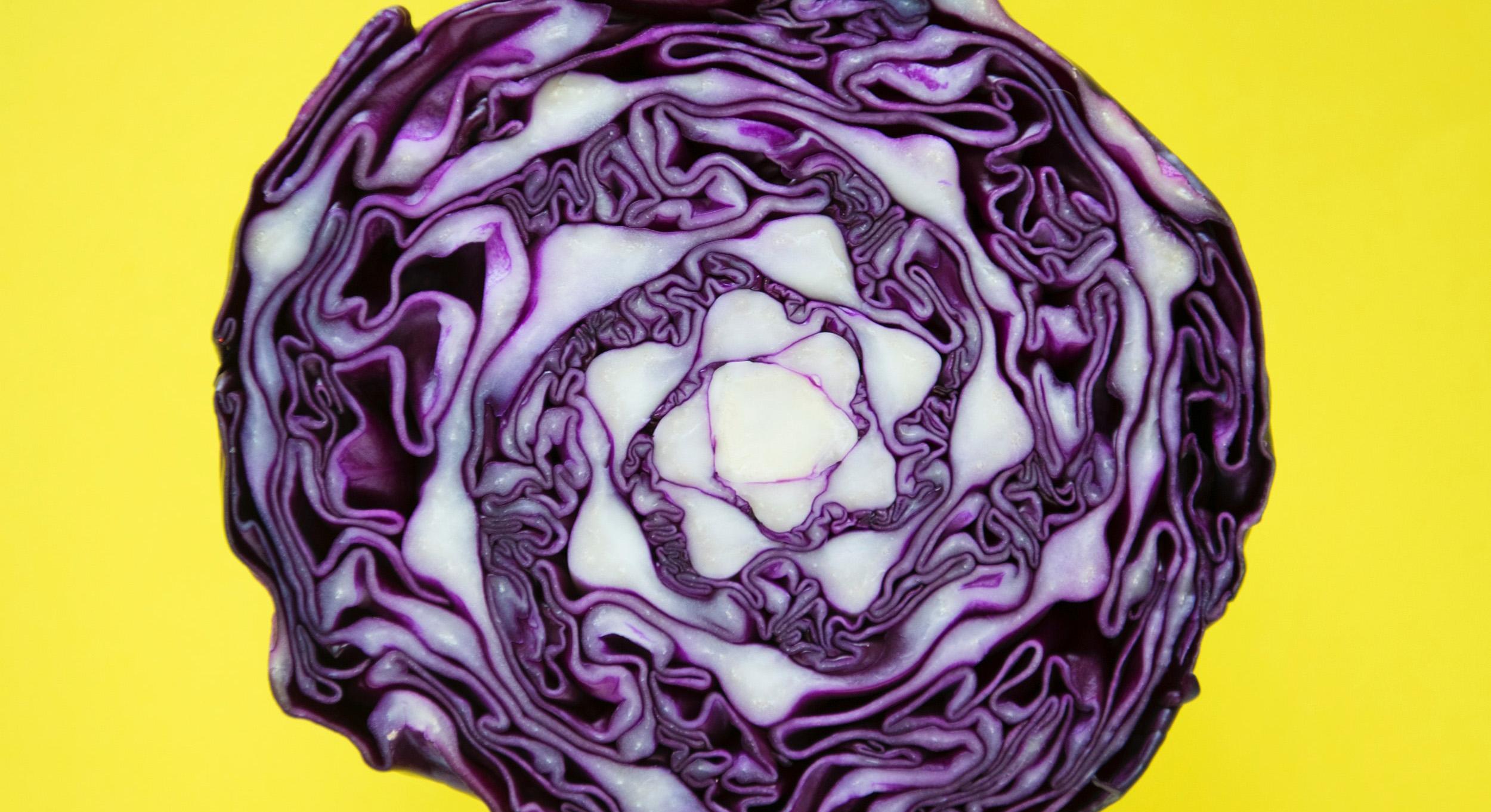
Red Cabbage Sauerkraut
One medium red cabbage
1 tablespoon Himalayan rock salt ground finely
1 teaspoon dried or 1 tablespoon fresh herbs (optional) For example, fennel seeds, fresh rosemary, fresh wild garlic etc chopped according to taste.
Grate the red cabbage and roughly chop any fresh herbs. Mix in a bowl with the salt and allow to sit for a few minutes.
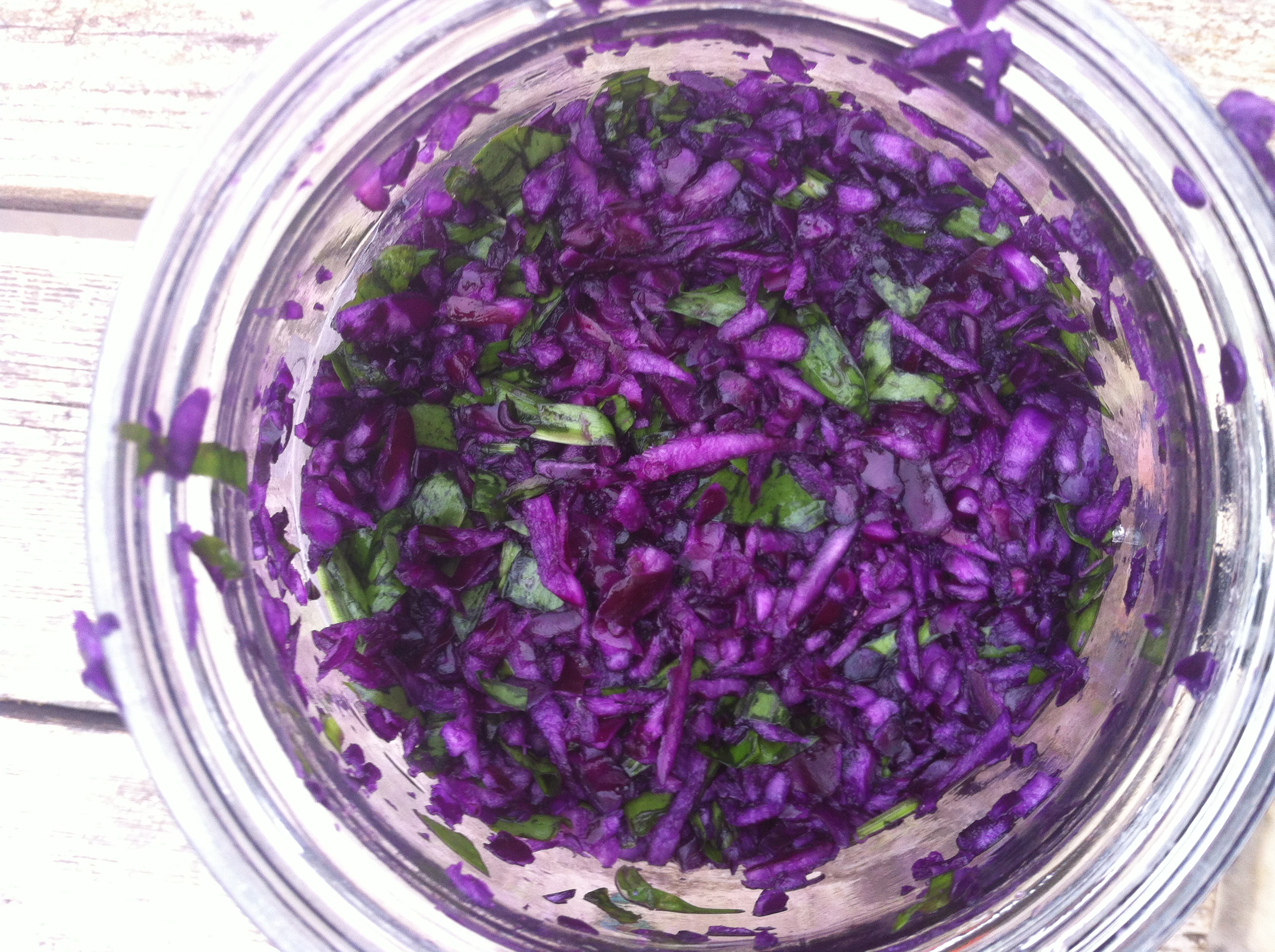
Press the grated cabbage mixture firmly into a jar using the end of a rolling pin or similar blunt instrument, until you see liquid rising up from the cabbage as you press down. Place another jar or weight into the first jar, on top of the cabbage mix, pressing down so the liquid that is released from the leaves rises above the grated cabbage. Fix this in place. In this case I left enough space at the top of the large jar that the whole smaller jar fitted into it and I was able to close the cap, which then put enough pressure onto the small jar that the liquid stayed above the level of the cabbage.
Store at room temperature and check regularly that the liquid is still covering the cabbage. After 1-2 days you should see tiny bubbles rising up through the liquid when you press on the weight; this signals that fermentation is taking place.
After 3 days taste the preparation to see if it is to your liking. Completion of fermentation is anywhere between 3 days and 3 months and different bacterial strains will develop as time goes by. Initially, the ‘younger’ flavours of the sauerkraut are usually preferred, so taste as you go along and stop once you reach your preferred flavour. Store in a jar in the fridge and use within 3-4 months.
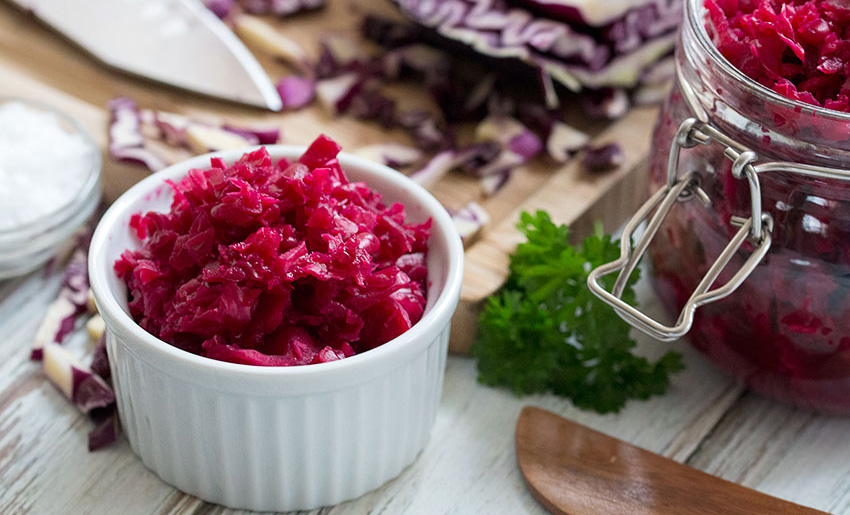
To serve: Get creative! Add to salads, stir fry (at the end of cooking) or as a topping for avocado/goats cheese on rye bread or crackers. Traditionally in Eastern Europe sauerkraut is served with roasted duck and potato dumplings.
The ‘Herbal Clinic’ in Swansea provides natural healthcare with the use of organic herbs, acupuncture and iridology.

This Post Has 0 Comments