skip to Main Content

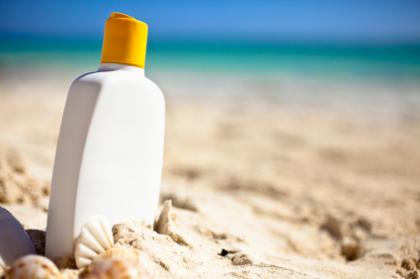
The Dark Side of Sun Cream

Research shows that wearing just SPF 8 reduces the body’s ability to make vitamin D by up to 90 percent. Often containing an array of potentially harmful chemicals; one study found that 96 percent of the population were contaminated with the most common sunscreen chemical - oxybenzone
Read more

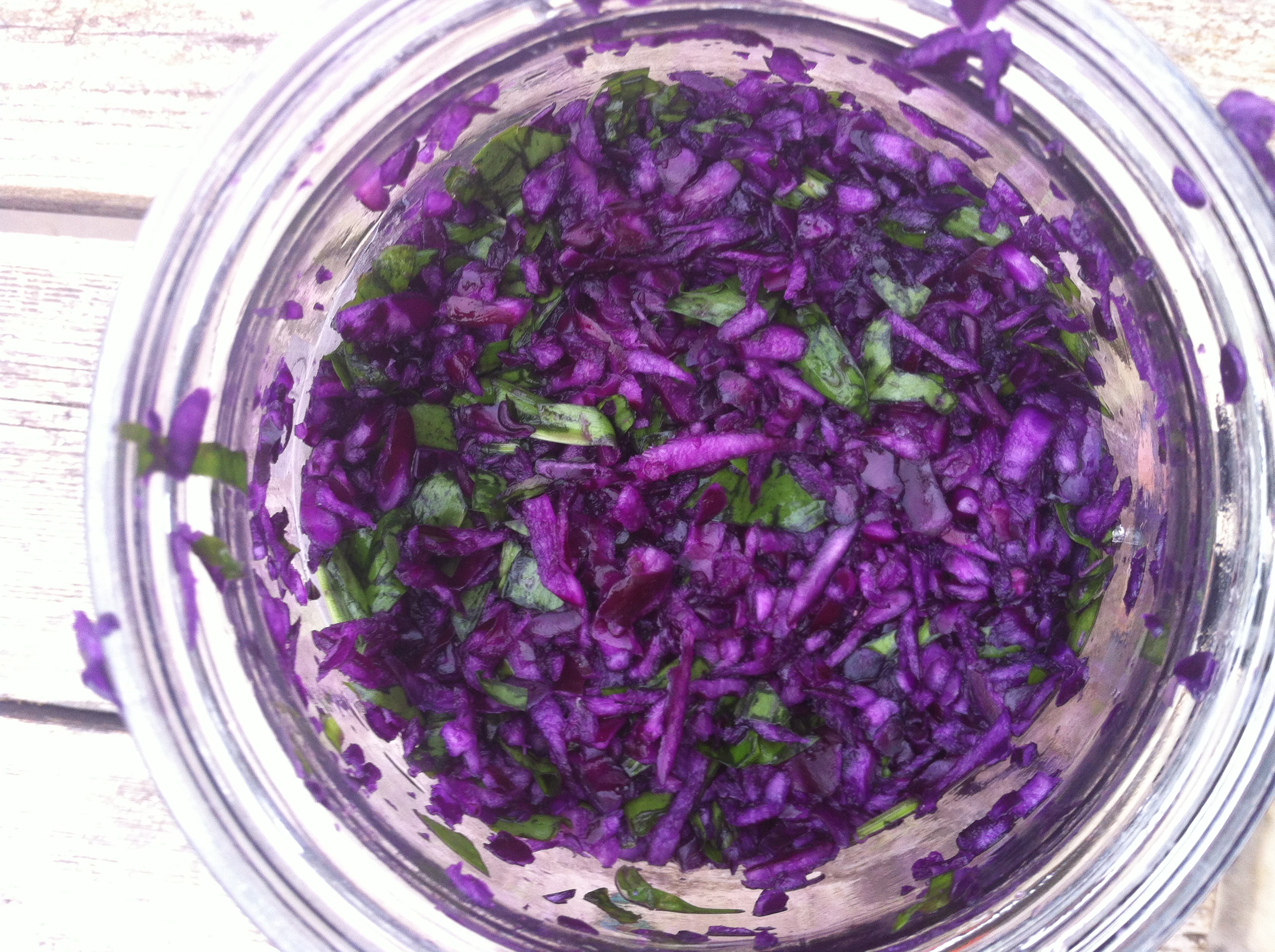
Fermenting – transforming foods

Fermentation can be described as 'the transformative action of micro organisms on food.' In controlled fermentation we can encourage the growth of some bacteria and discourage the growth of others. Fermentation transforms the food nutritionally in four ways: Pre-digestion ...
Read more

Standardised Herbal Extracts: Better than Nature?

You may have seen Herbal products in your health food shop labelled as 'standardised' or concentrated. But what are standardised extracts and are they better than ordinary herbs? They contain plant chemicals at far greater potency than would be naturally occurring within the plant.
Read more

Marsh mallow: Althaea officinalis

The name ‘Althaea’ comes from the Greek ‘altho’ - 'to heal'; Marshmallow has a long history of medicinal use. The herb has soothing properties and old herbals used to refer to the root as 'mortification root', highlighting the ability to rid the body of putrefied or morbid matter.
Read more

Dandelion: Taraxacum officinale

The leaves can be eaten as a bitter, detoxifying tonic in the spring to clear the body of wastes accumulated over the winter through heavy foods and inactivity. It is also nourishing - 1 cup of chopped dandelion greens provides around 32% of the recommended daily value for Vitamin C
Read more

Energy

Vitality is at the core of our wellbeing. It is our inner energy, which gives us the strength to overcome illness and bring us back to a state of balanced health. Your body has an intrinsic healing ability; it will heal itself if you provide it with the right conditions.
Read more

Arthritis and Inflammation

As the cooler, damp weather sets in, many people find that their joints begin to ache and arthritis symptoms are aggravated. In this seasonal special we begin to take a look at what could be causing these symptoms of inflammation and what can be done to reverse the process.
Read more

Sambucus nigra – Elderberry

Deep purple clusters of shiny elderberries signal the arrival of autumn; it is said that summer begins when the Elder tree flowers and ends once its berries are ripe. Hippocrates referred to elderberry as “nature’s medicine chest” and all parts of the plant were considered valuable in healing.
Read more

Rosmarinus officinalis – Rosemary

Rosmarinus meaning 'dew of the sea' has long been associated with memory. Scholars of ancient Greece wore wreaths of Rosmarinus about the brow to help improve recall while taking exams and at one time it was a traditional wedding herb...
Read more

Elecampane – Inula helenium

Inula has attractive bright yellow blooms and downy green leaves. It is easy to cultivate and makes a valuable addition to a medicinal herb garden. The use of the herb is well documented historically from the time of the ancient Greek physicians.
Read more

Filipendula – Meadowsweet

Filipendula ulmaria, also known as Meadowsweet and Queen of the Meadow, is found in damp meadows and on riverbanks; it is best recognised by its sweet-smelling frothy clusters of white blossoms that flower atop its leafy stems. Long recognised as a herb with therapeutic effects on the stomach.
Read more

Malnutrition

It is astounding that there is a lack of understanding of something as essential as nutrition in a country that is considered 'advanced'. It is saddening that a great number of people who take the time to prepare nourishing meals are still lacking in essential/basic nutrients.
Read more
Back To Top

Privacy Preference Center

Necessary

Advertising

Analytics

Other