skip to Main Content

The Respiratory System Part 2: Sinusitis

Within the skull and facial bones is a network of hollow cavities lined with mucosal tissue, much like inside the nose; these are the sinuses. The largest of these are in the cheekbones, the others lay in the forehead, between the eyes and in the bones behind the nose.
Read more

Nasal Irrigation

Nasal irrigation is a practice that has been used for thousands of years in the ancient Indian system of medicine, Ayurveda. Known as Jala neti, meaning ‘water cleansing’ is performed using a neti pot. Reduces allergic problems such as hay fever and many other benefits
Read more

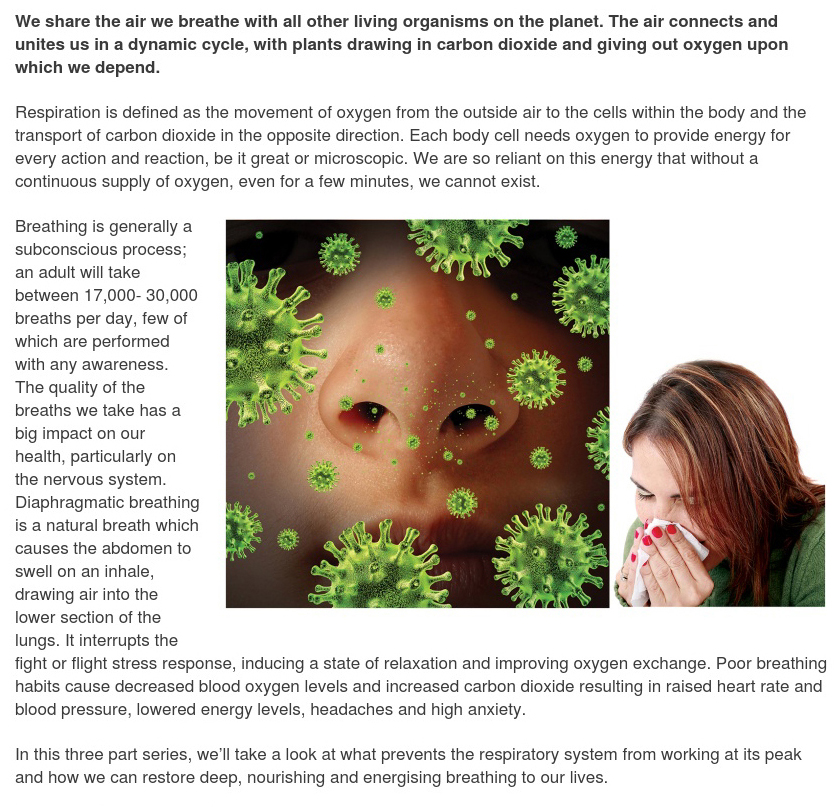
The Respiratory System – Part 1 Respiratory Infection

Respiration is defined as the movement of oxygen from the outside air to the cells within the body and the transport of carbon dioxide in the opposite direction. Each body cell needs oxygen to provide energy for every action and reaction, be it great or microscopic.
Read more

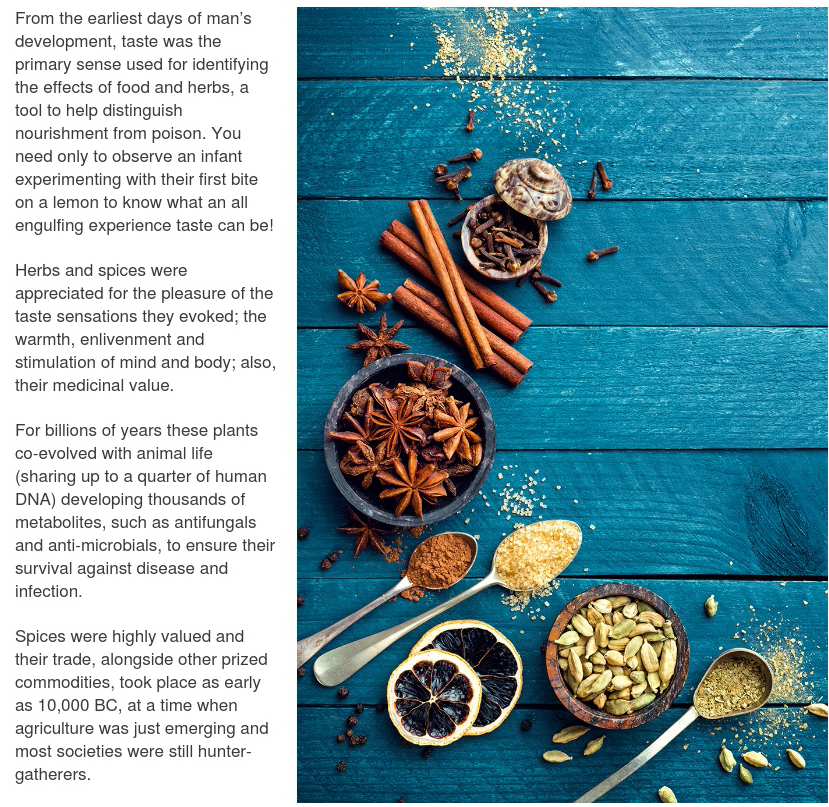
Spice Up Your Life!

From the earliest days of Man's development, taste was the primary sense used for identifying the effects of food, herbs and different types of spice. Herbs and spices were appreciated for the pleasure of the taste sensations they evoked; also, their medicinal value.
Read more

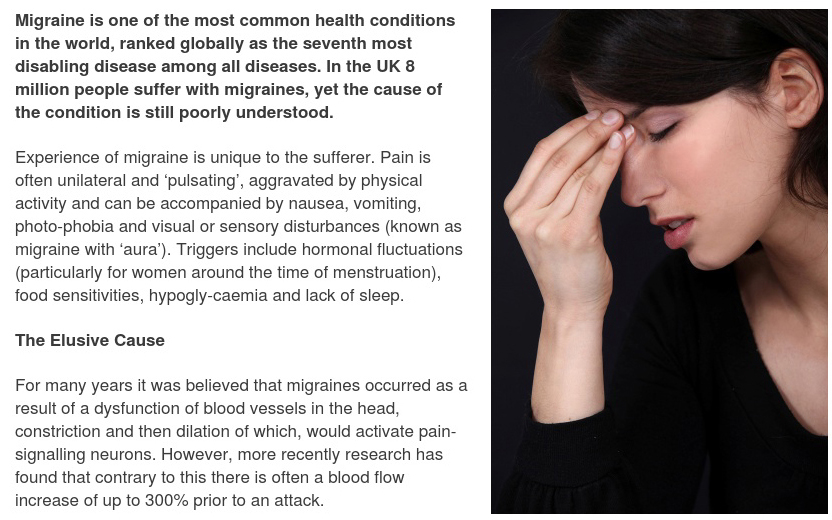
Migraine

Migraine is one of the most common health conditions in the world, ranked globally as the seventh most disabling disease among all diseases. In the UK 8 million people suffer with migraines, yet the cause of the condition is still poorly understood.
Read more

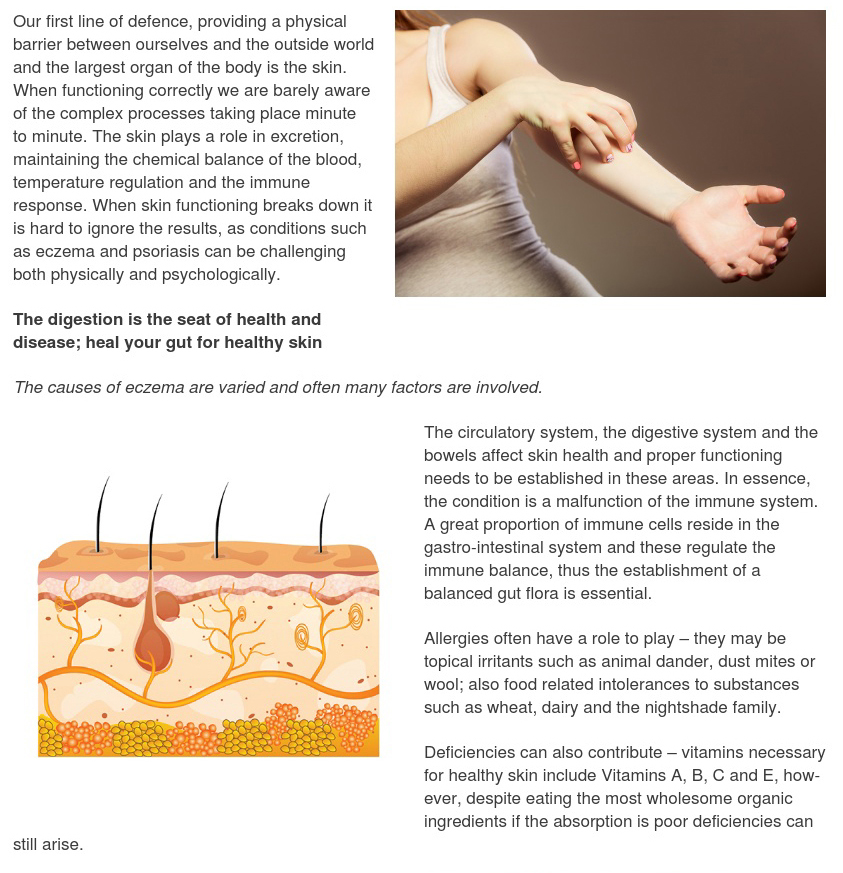
Eczema

Our first line of defence, providing a physical barrier between ourselves and the outside world and the largest organ of the body: the skin. When functioning correctly we are barely aware of the complex processes taking place minute to minute.
Read more

Rose – Rosa canina

The Rose - delicate, beautiful and divinely scented, the rose is one of our most loved flowers. Entwined with matters of the heart, roses are given by lovers and used extensively in the perfume industry. In mythology we find them connected to goddesses such as Venus and Aphrodite...
Read more

Hypericum perforatum – St John’s Wort

St John’s Wort – Hypericum perforatum blooms with its halo of bright yellow flowers at the time when daylight hours are at their longest. Named by early Christians after John the Baptist, whose birthday is celebrated on June 24th when the plant is in full flower.
Read more

Salvia officinalis – Sage

Wisdom and old age are the themes woven into Sage's healing history. The ancient Greeks considered Salvia to bestow immortality, partly due to its ability to cure so many ailments; it was also thought to have the power to enhance inner wisdom.
Read more

Plantago lanceolata – Plantain

Native to Eurasia, Plantain is a hardy little plant that will settle in areas where there has been much disruption by humans; it will continue to grow happily whilst being trodden underfoot. Native Americans knew the herb as 'white man’s footprint' as it seemed to appear wherever the settlers colonised.
Read more

‘Devolution’ or ‘Evolution’ in Health and Medicine?

Year 2016, fertility is declining. For couples who can conceive parenthood is tough - the rate of childhood disease is rising rapidly: childhood diabetes, mental health disorders and developmental disorders are all increasing. An alarming 1 in 40 boys (one in 125 girls) are now affected with autism.
Read more

Polycystic Ovary Syndrome

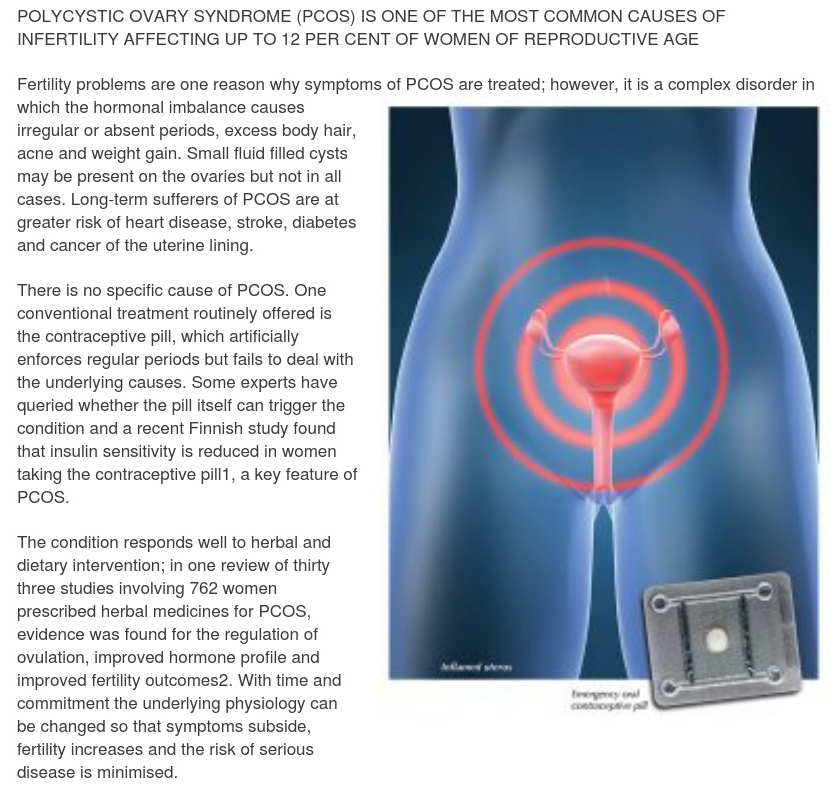
Polycystic Ovary Syndrome, one of the most common causes of infertility affects up to 12% of women of reproductive age. It is a complex disorder – not just causing infertility; hormonal imbalance causes irregular or absent periods, excess body hair, acne and weight gain.
Read more
Back To Top