Digestion and Absorption; Bringing it all Together
Once food is swallowed it passes down the oesophagus into the stomach. Here it is mixed with digestive juices; strong muscular contractions reduce the food to a semi-liquid state.1
It takes between 40 minutes and 4 hours for food to leave the stomach: complex liquids such as smoothies and bone broth taking around 40 – 60 minutes; denser foods containing proteins and fat around 2-4 hours. Plain water takes 10-20 minutes to leave the stomach whereas teas and cordials take 20-40 minutes.

From the stomach, food is slowly released into the small intestine where acid is neutralised by bile, alongside addition of more digestive enzymes.
Surrounded by a mass of blood vessels the digested food particles are absorbed into the bloodstream and enter the portal venous system which takes the blood to the liver. The liver can then carry out some of its vital functions such as, converting nutrients into forms that the body can use or store and breaking down toxins. This nutrient rich blood then continues, back to the heart and around the body to nourish all the cells.
Did You Know?
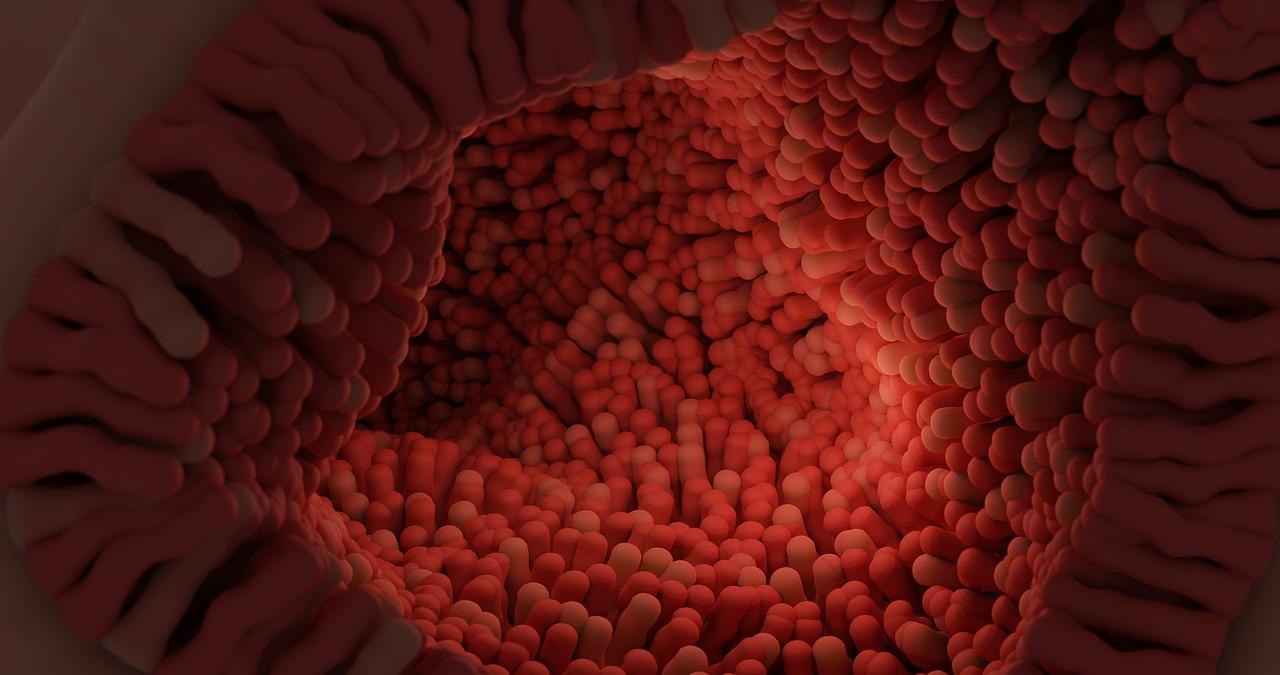
The small intestine is about 3 metres long – this is 5 times longer than the large intestine. With all the folds and micro folds (villi and microvilli) the surface area is roughly 200m2, more than 100 times the surface area of the skin!
The average adult drinks around 1- 2 litres of fluids each day; however, the small intestine processes a massive 9-10 litres! The additional 8-9 litres come from secretions of the digestive system2. This highlights how important it is to be well hydrated before eating for good digestive function.
A substance called ‘cholecystokinin’ (CCK) is produced when fats or protein arrive in the stomach which slows down the movement of food from the stomach making us feel full for longer3. Foods high in carbohydrates and sugar, although rich in energy, don’t trigger CCK production in the same way and so can cause us to consume more than we require.
6 principles for optimal digestion
- Eat in a relaxed environment. Support the ‘rest and digest’ nervous system by sitting down to eat, consciously choosing to relax and being mindful of your food; do not read whilst eating.
- Chew well. One of the main causes of indigestion and catarrh is lack of mastication.
- Eat when hungry and when the stomach is empty; approximately every 4 hours. Establishing a daily routine for eating times encourages a healthier appetite and better absorption.
- Do not drink with your food (with the exception of a little wine). Water based drinks, including tea, coffee, beer and water itself, dilute the gastric juices and impair digestion. Get into the habit of drinking water 20 minutes before eating to ensure you are well hydrated before your meal.
- Do not overfill the stomach or eat beyond your needs. You should leave the table feeling that you could eat more, but do not be tempted.
- Eat a lighter meal in the evening. The digestion is strongest in the morning and the middle of the day. Eating in the evening (particularly after 6pm) can impair sleep quality and encourage weight gain. Do not snack after your evening meal.
- Food’s journey through the digestive system
- Digestion and Absorption
- Molecular Mechanisms Underlying the Effect of Cholecystokinin and Cholecystokinin-1 Receptor on the Formation of Cholesterol Gallstones
The ‘Herbal Clinic’ in Swansea provides natural medicine healthcare with the use of organic herbs, acupuncture and iridology.

This Post Has 0 Comments